Money & Spending
The official currency of Rwanda is the Rwandan franc, but it is advisable to carry US dollars (post-2003 bills) or euros in cash for better convenience. Traveler’s cheques often result in unfavorable exchange rates. It is recommended to take care of banking needs in Kigali, as opportunities outside the capital are limited. Bureaux de change establishments typically offer the most favorable exchange rates. While credit cards, particularly MasterCard, are accepted in some upscale hotels and restaurants in Kigali, they may not be widely accepted in other locations.
Climate & What to Pack
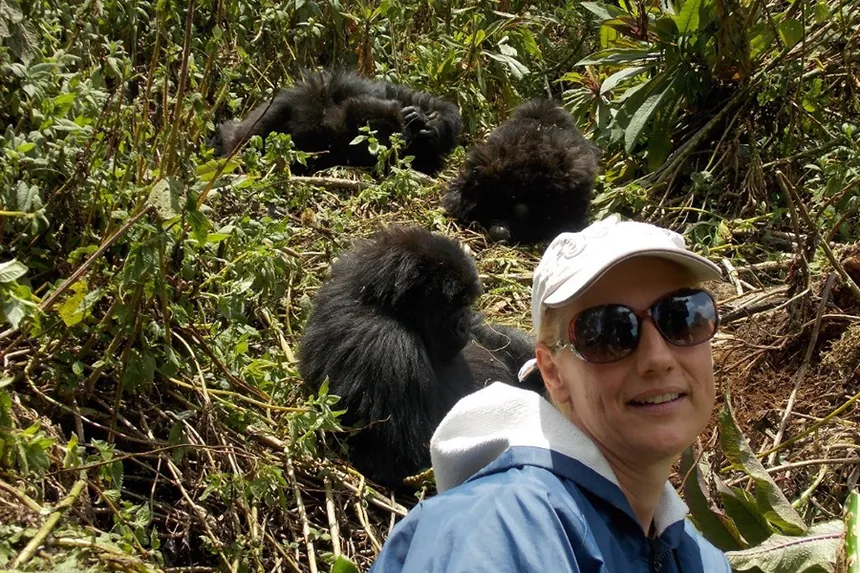
To be well-prepared for gorilla trekking in Rwanda, pack accordingly. Wear long, thick trousers and sleeves, and protect yourself with long socks or gaiters against ants. Bring light gloves, a hat, a raincoat, and sturdy hiking boots. As altitude can be cold and damp, carry a change of clothes, a warm fleece, sunscreen, and insect repellent. Be mindful of stinging nettles and wear protective gear. Avoid strong fragrances, opt for nature-inspired colors, and refrain from wearing black or blue to deter bugs. Use environmentally friendly bug spray. Consider bringing stationery or toys for village children. Consult a doctor for vaccinations and altitude medication, and pack anti-motion sickness medicine if needed.
Visa & Passport Requirements
All visitors to Rwanda must have a passport valid for at least six months. Visa requirements apply to everyone except citizens of the USA, UK, Canada, Germany, Sweden, Hong Kong, Kenya, and South Africa. Multiple-entry tourist visas can be obtained from the nearest Rwandan embassy or consulate. These visas are valid for three months and can typically be extended in Kigali on a month-by-month payment basis.
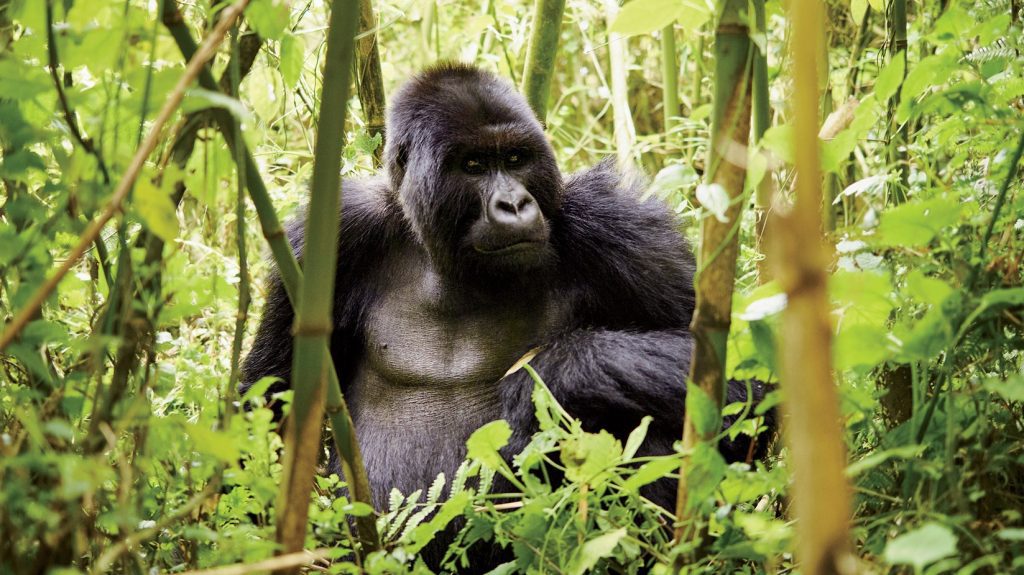
A gorilla-trekking permit is essential. It is important to note that children under 15 are not permitted on gorilla treks.
People & Culture
Rwanda is a green and fertile country with a dense population of over 11 million people, making it one of the most densely populated nations in Africa. The Twa, hunter-gatherers, were the earliest inhabitants, followed by Hutu farmers who now form the majority. The arrival of the Tutsis, known for cattle-raising, led to a shift in power dynamics. However, modern Rwanda transcends these ethnic labels. The country has a young population, with a significant percentage under 15, and the majority identify as Catholics, followed by Protestants. Kinyarwanda, French, and English are the official languages. Rwanda is considered safe, friendly, and easy to travel around. Its cultural scene thrives with music, dance, and a vibrant oral tradition of poetry and folk stories.
Tipping
Tipping customs in Rwanda are different, with most places not expecting tips except for higher-end restaurants where 10% of the bill is customary. While tipping is not compulsory for gorilla trekking, it is greatly appreciated. Porters usually receive the highest tip, followed by guides, trackers, and security personnel. Hiring a porter is recommended, and tipping them well for their assistance is important. Feel free to ask our Africa Safari Experts for detailed tipping guidelines.
Flights & Getting Around
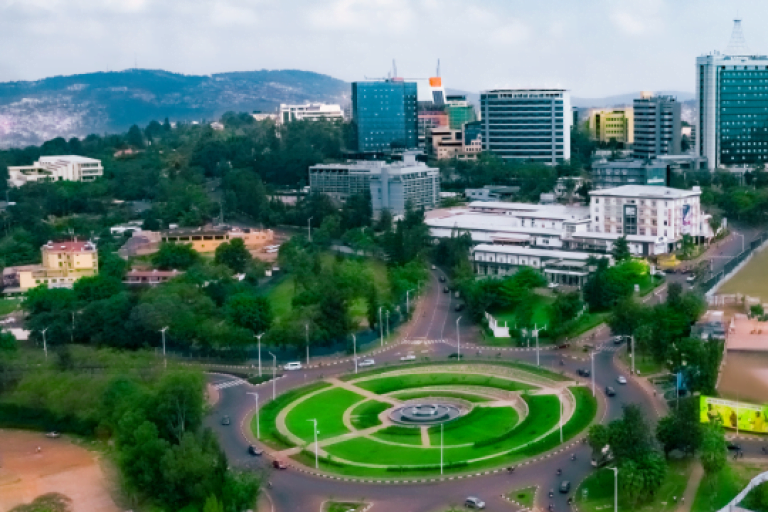
Gregoire Kayibanda International Airport is the main entry point to Rwanda, located just a short drive from Kigali. Direct flights from Brussels are available, and other options include flights from Entebbe, Nairobi, Lusaka, or Johannesburg. The journey from Kigali to Volcanoes National Park, where gorilla trekking takes place, is approximately 2.5 hours by road. Transfers within Rwanda are typically done in 4X4 vehicles, but helicopter flights from Kigali to Nyungwe Forest National Park are also available. Given Rwanda’s small size, travel distances between major attractions are usually no more than four to five hours by road. In Kigali, exploring the city on the back of a local scooter can provide an efficient and authentic experience.
Rwandan History & Economy
Rwanda, a small country in Central Africa, has a rich history of pre-colonial kingdoms and cattle-owning dynasties. It managed to avoid the devastating effects of the slave trade but later became a colony, first under German rule and then under Belgian control. In 1962, Rwanda gained independence, but its post-colonial journey has been marked by challenges. The country reached its lowest point during the 1994 genocide. However, since then, Rwanda has made remarkable progress and has become a significant player in regional affairs.
Although agriculture is the dominant sector, contributing 40% of GDP and employing 90% of the workforce, it is mostly subsistence farming with limited surplus. Cash crops like tea and coffee, as well as mining for rare metals, contribute to foreign revenue. However, tourism stands as the primary source of foreign exchange, playing a crucial role in Rwanda’s economy.
Landscape & Wildlife
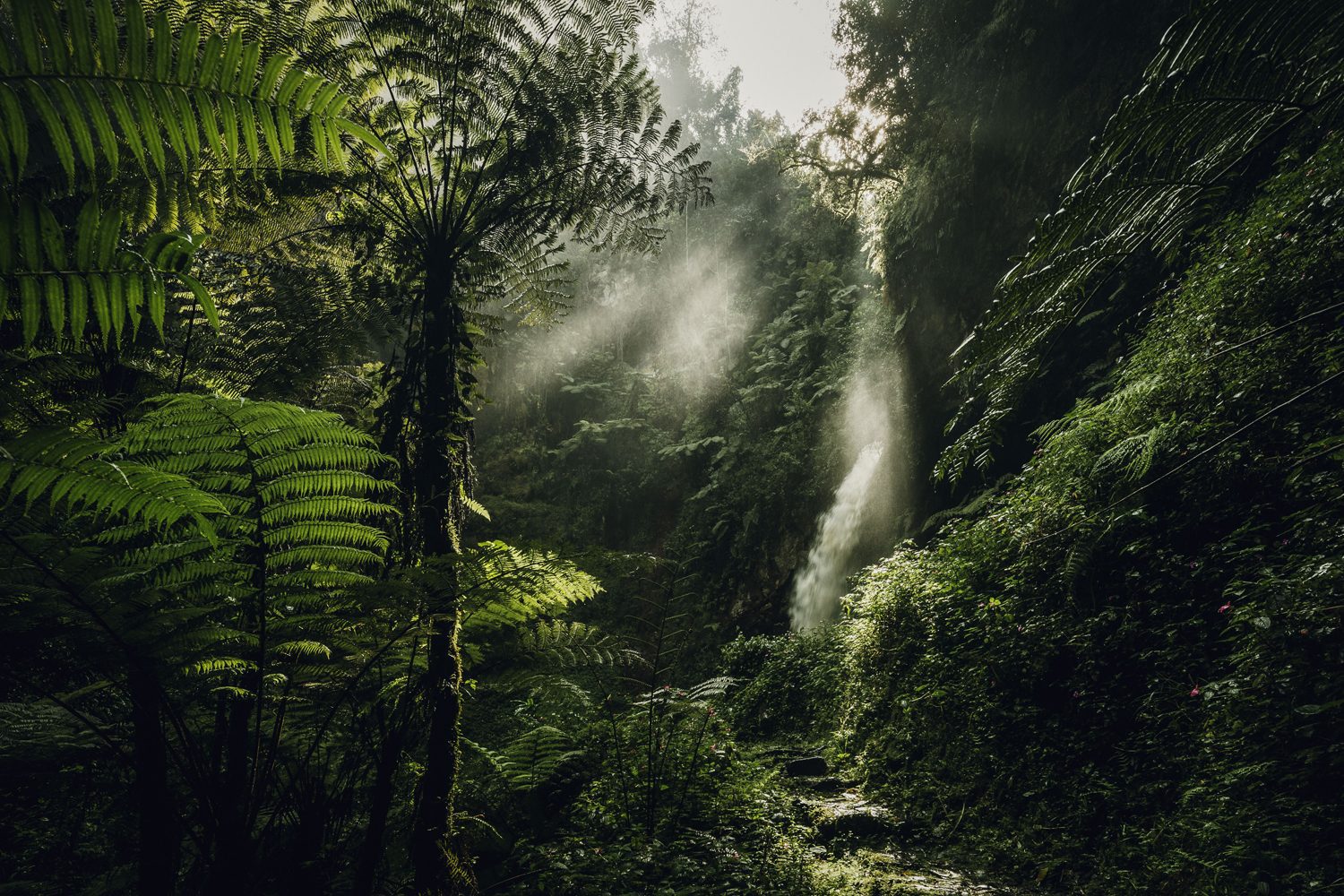
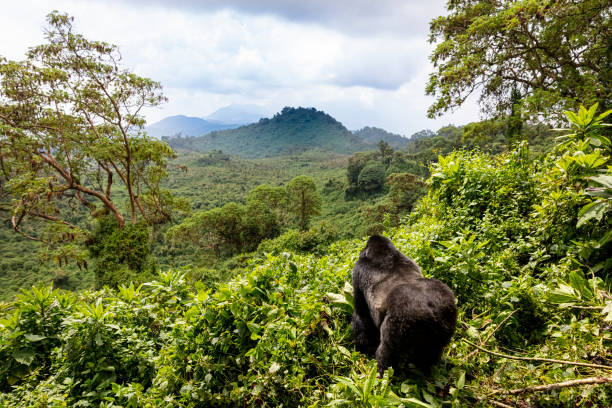
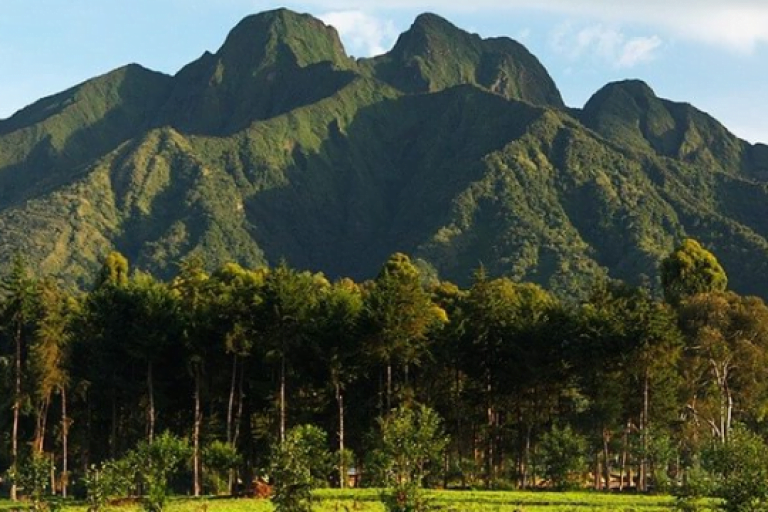
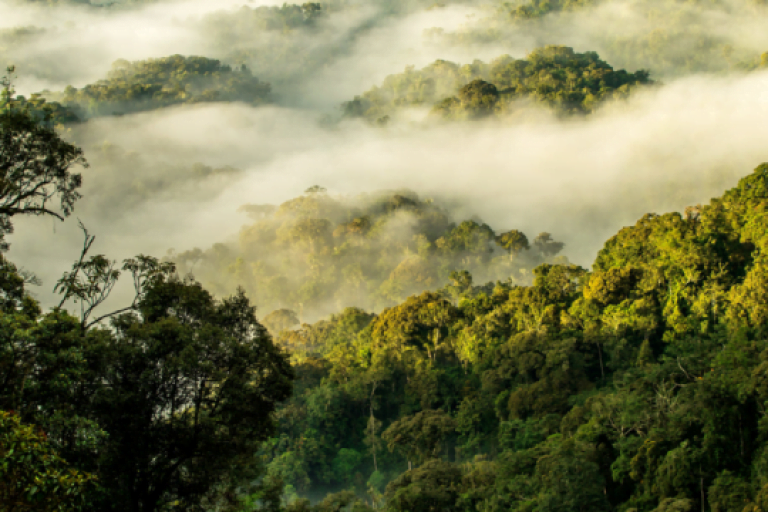
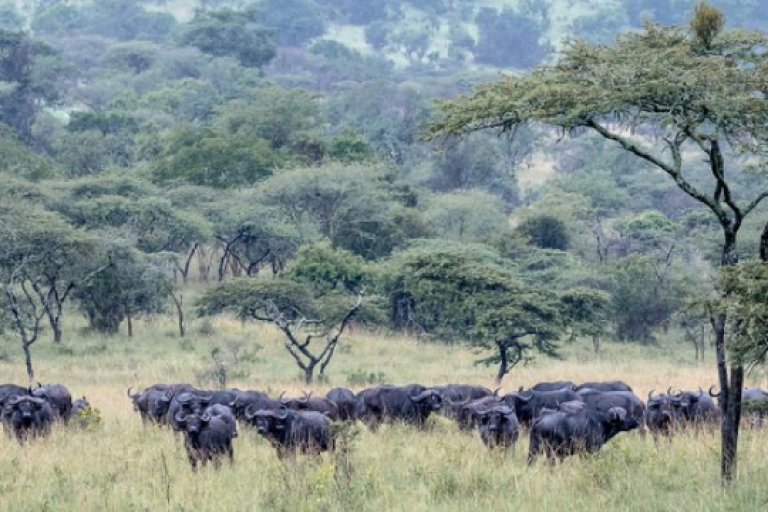
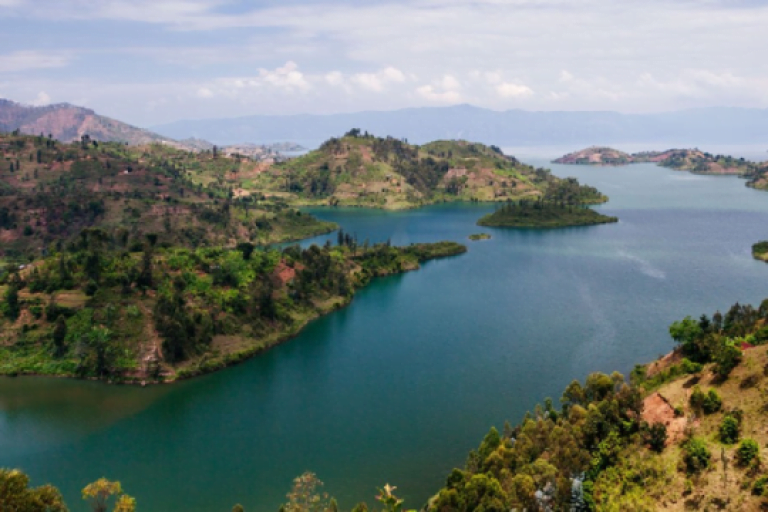
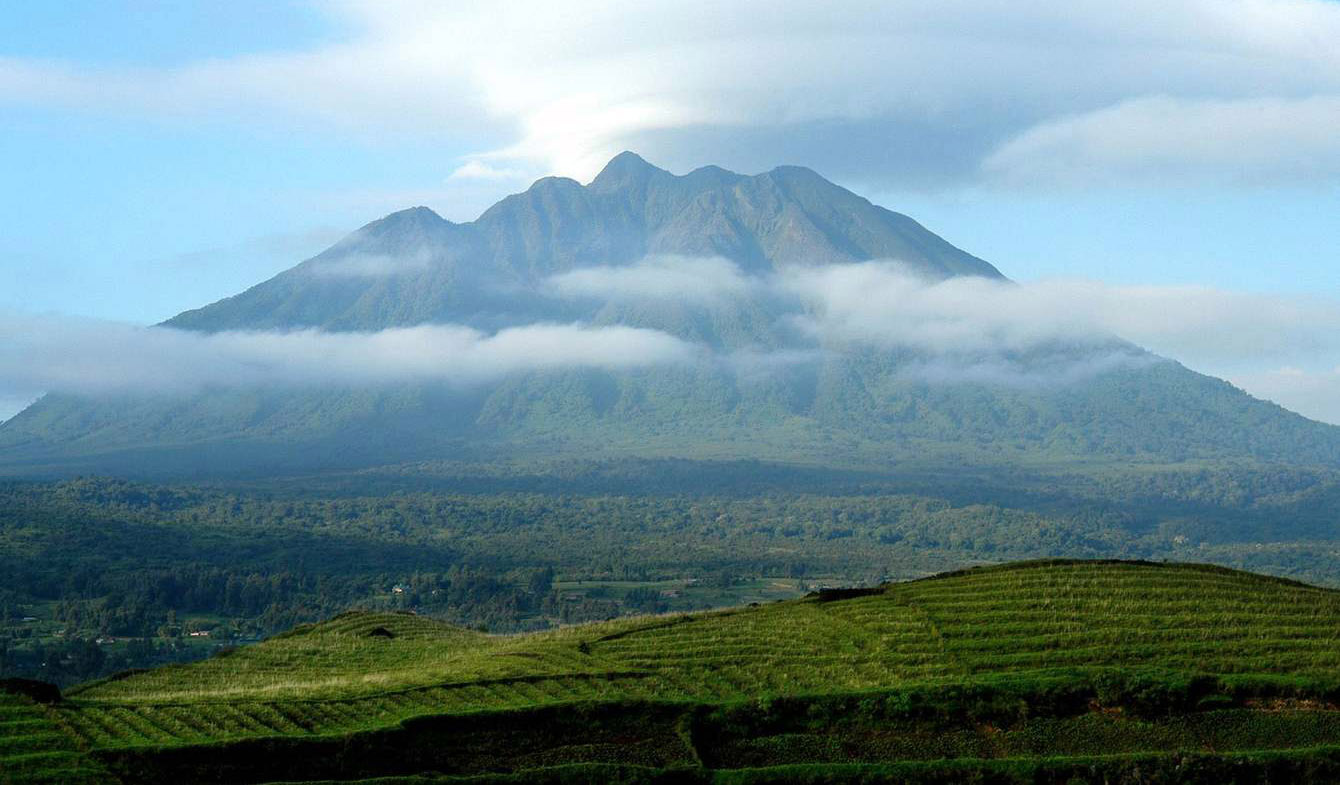
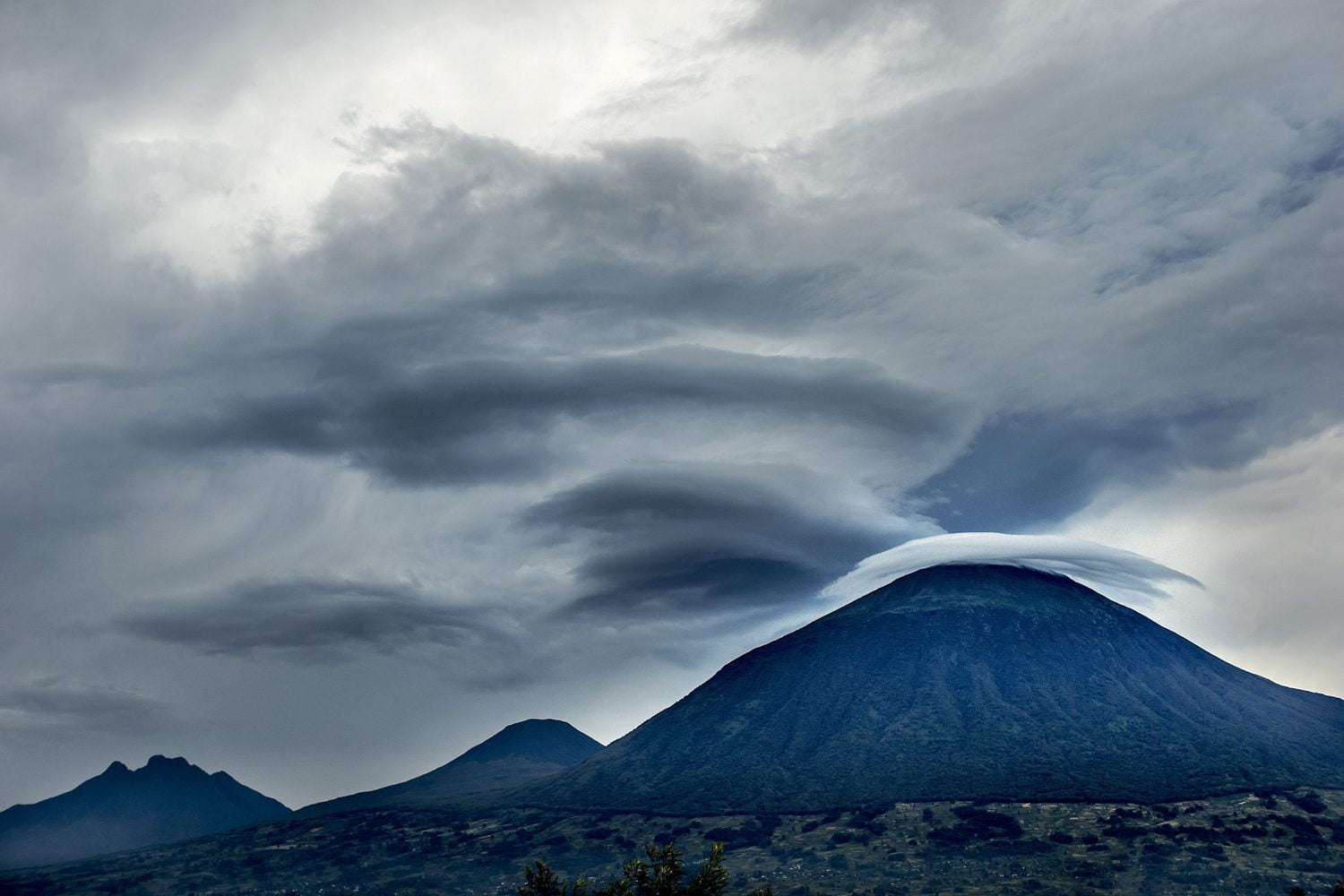
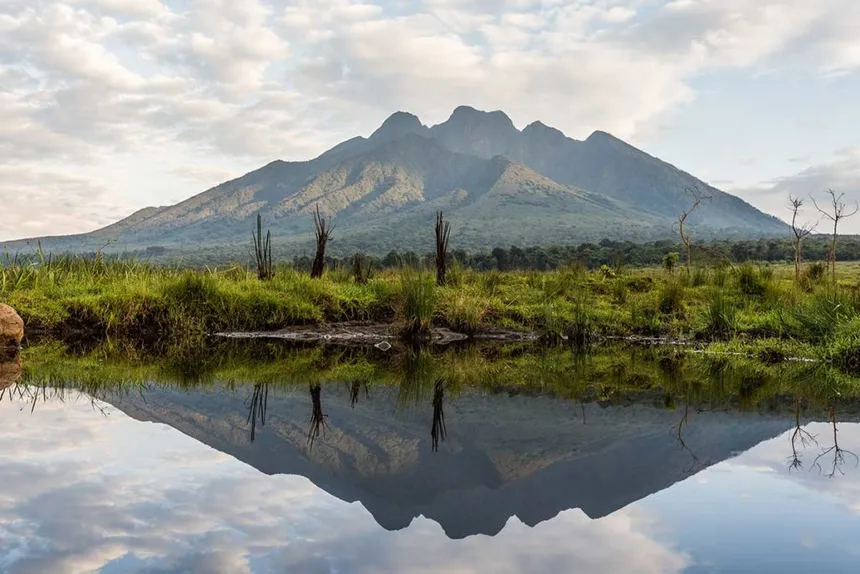
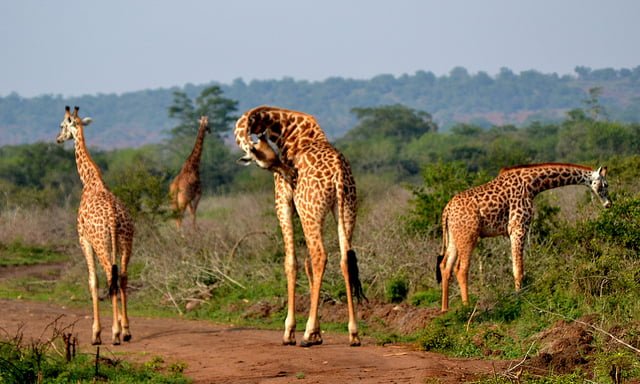
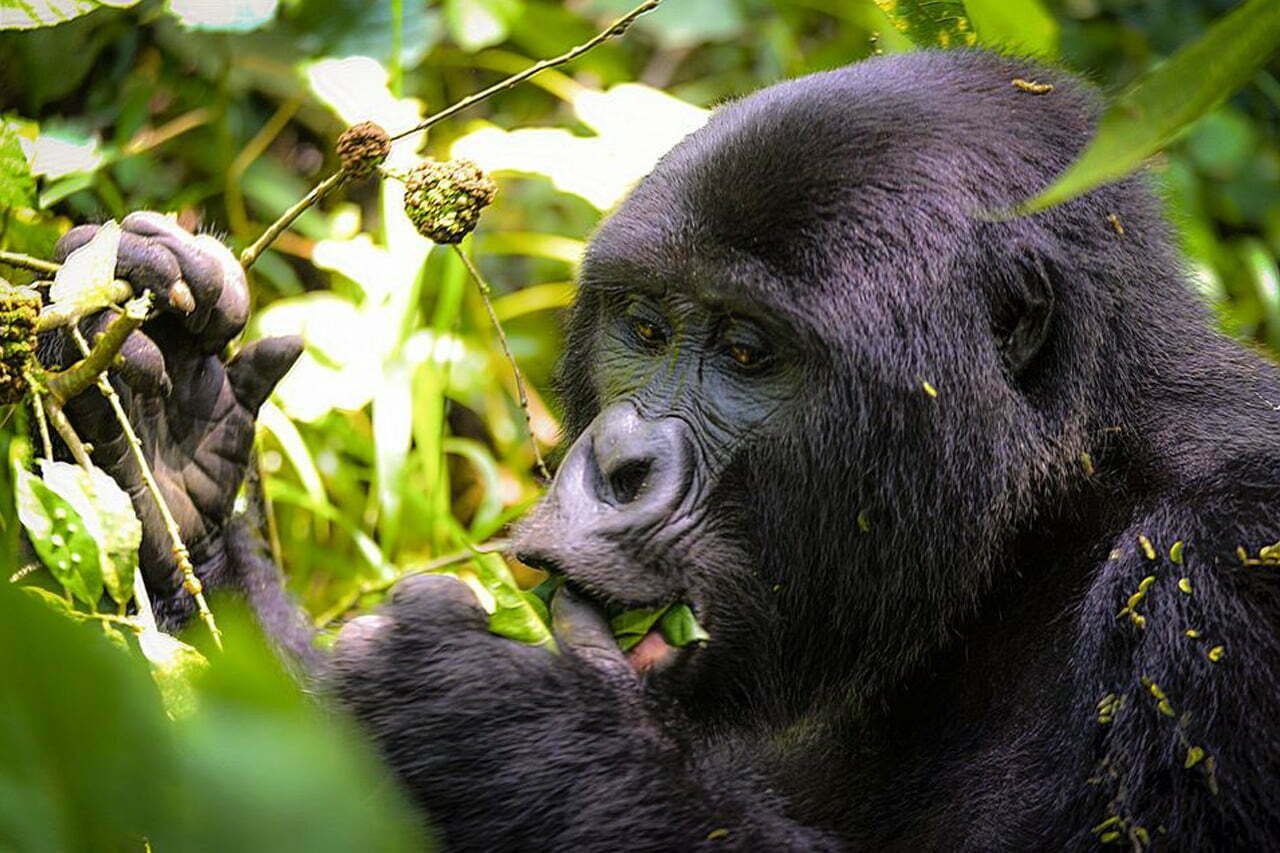
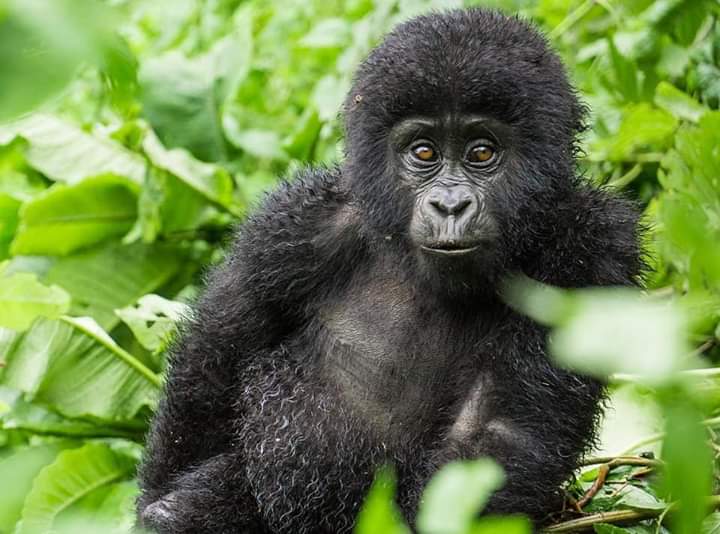
Rwanda, known as the ‘Land of a Thousand Hills,’ is a landlocked country located at the heart of Africa. Its diverse landscape encompasses volcanoes, lush mountain ranges, lakes, and rivers. Positioned along the Albertine Rift Valley, Rwanda boasts incredible biodiversity, although much of its hill country and grasslands have been transformed for agricultural purposes. The country’s three reserves are home to its notable wildlife. Volcanoes National Park is renowned for its mountain gorillas and popular gorilla trekking experiences. Nyungwe Forest shelters various primate species, including chimpanzees, while the lesser-explored Akagera National Park offers a savannah experience in the east. Rwanda is also a haven for bird enthusiasts, with an impressive record of approximately 670 bird species.