Savannah Explore Africa
East Africa · Land of the Great Migration

Kenya
Where safari was born

The Masai Mara. The Great Migration. Tree-shaded kopjes where lions sleep through golden afternoons. Kenya delivers the archetypal African safari experience: epic in scale, intimate in lodges, and unmistakable in character.

Kenya Overview

The Land of the Great Migration

Kenya is synonymous with African safari. The Masai Mara is the world's most famous game reserve. The Great Migration represents nature at its most dramatic and unforgiving. The name Kenya itself evokes images of lions on golden grasslands, zebras moving across endless plains, and the red earth of the Rift Valley.

But Kenya is far more than the Mara and the Migration. From the semi arid deserts of Samburu in the north, to the volcanic drama of Laikipia's private conservancies, to Tsavo's 20,000 square kilometres of untouched wilderness, Kenya offers greater diversity of landscape and wildlife experience than almost any safari destination on earth.

The country is the epicentre of East African safari culture and infrastructure. Direct flights arrive from London, Europe and the Middle East to Nairobi, which sits at the centre of everything. Charter flights connect to a dozen private airstrips across the country's parks, meaning you can move between incomparably different ecosystems in 45 minutes.

Kenya combines world class wildlife with accessibility, infrastructure and that intangible sense of safari authenticity that comes from being the birthplace of modern safari itself. Game drives on endless plains, walking safaris in private conservancies, and the beach and coral reefs of the Indian Ocean.

CapitalNairobi
Size580,367 km²
Population56 million
CurrencyKenyan Shilling, USD widely accepted
LanguageSwahili · English (official)
Time ZoneUTC+3 (EAT)
Flight TimeLondon ~8.5 hrs · New York ~14 hrs · Dubai ~5 hrs
Migration SeasonJuly to October (river crossings)
VisaEast Africa Tourist Visa online, USD 100 single entry
VaccinationsYellow fever required for some areas · Malaria prophylaxis recommended
Why Kenya

The Great Migration

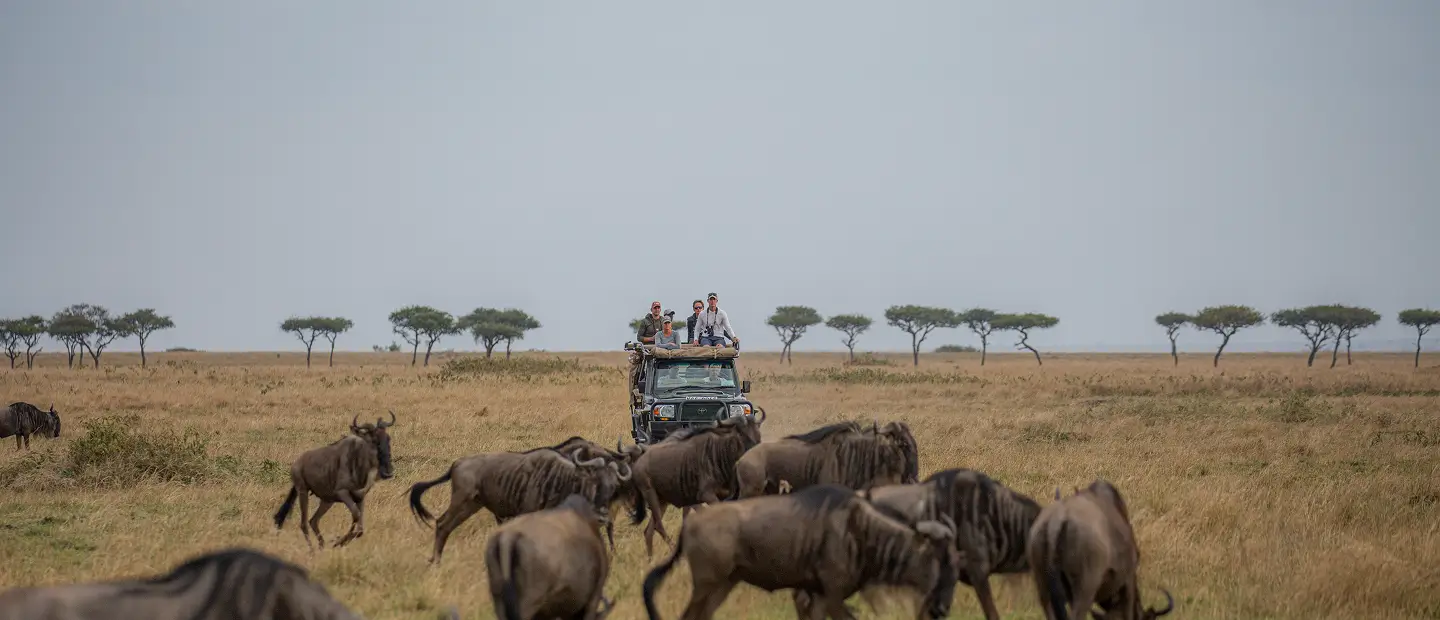
1.5 million wildebeest, 200,000 zebras and 400,000 gazelles move through the Masai Mara from July to October. The Mara River crossings are among the most dramatic wildlife events on earth.

Year Round Big Cat Sightings

Kenya's predator density is extraordinary. The Masai Mara is one of the only places on earth where lion, cheetah and leopard can all be seen in a single day, throughout the year.

Private Conservancies

Adjacent to the Masai Mara, Kenya's private conservancies offer exclusive game drives with off road access, night drives, walking safaris and guided bush experiences unavailable in the national reserve.

Safari and Beach in One Trip

The Kenyan coast, Diani Beach and the Lamu Archipelago provide a perfect counterpoint to the savannah. A week on safari followed by days at the Indian Ocean is a classic East Africa itinerary.

Top National Parks

Kenya's Wild Kingdoms

Kenya's parks and reserves offer some of the most diverse safari experiences in Africa, from the iconic Masai Mara to the remote wilderness of Samburu in the north.

Southwest Kenya · Kenya's Flagship Reserve

Masai Mara National Reserve

The Masai Mara needs no introduction. Kenya's most celebrated game reserve sits in the Great Rift Valley's southwestern corner, forming the northern extension of Tanzania's Serengeti ecosystem. The rolling grasslands, acacia woodlands and riverine forest support one of the most concentrated and diverse wildlife populations anywhere in Africa.

The reserve is home to large resident populations of lions, leopards, cheetahs, elephants, buffalos, hippos and Nile crocodiles. The annual arrival of the Great Migration between July and October defines the Mara's global reputation: over a million wildebeest and zebras cross the Mara River in a series of dramatic, terrifying crossings.

Great MigrationBig FiveMara River CrossingsHot Air BalloonsPrivate Conservancies
01
Southern Kenya · At the Foot of Kilimanjaro

Amboseli National Park

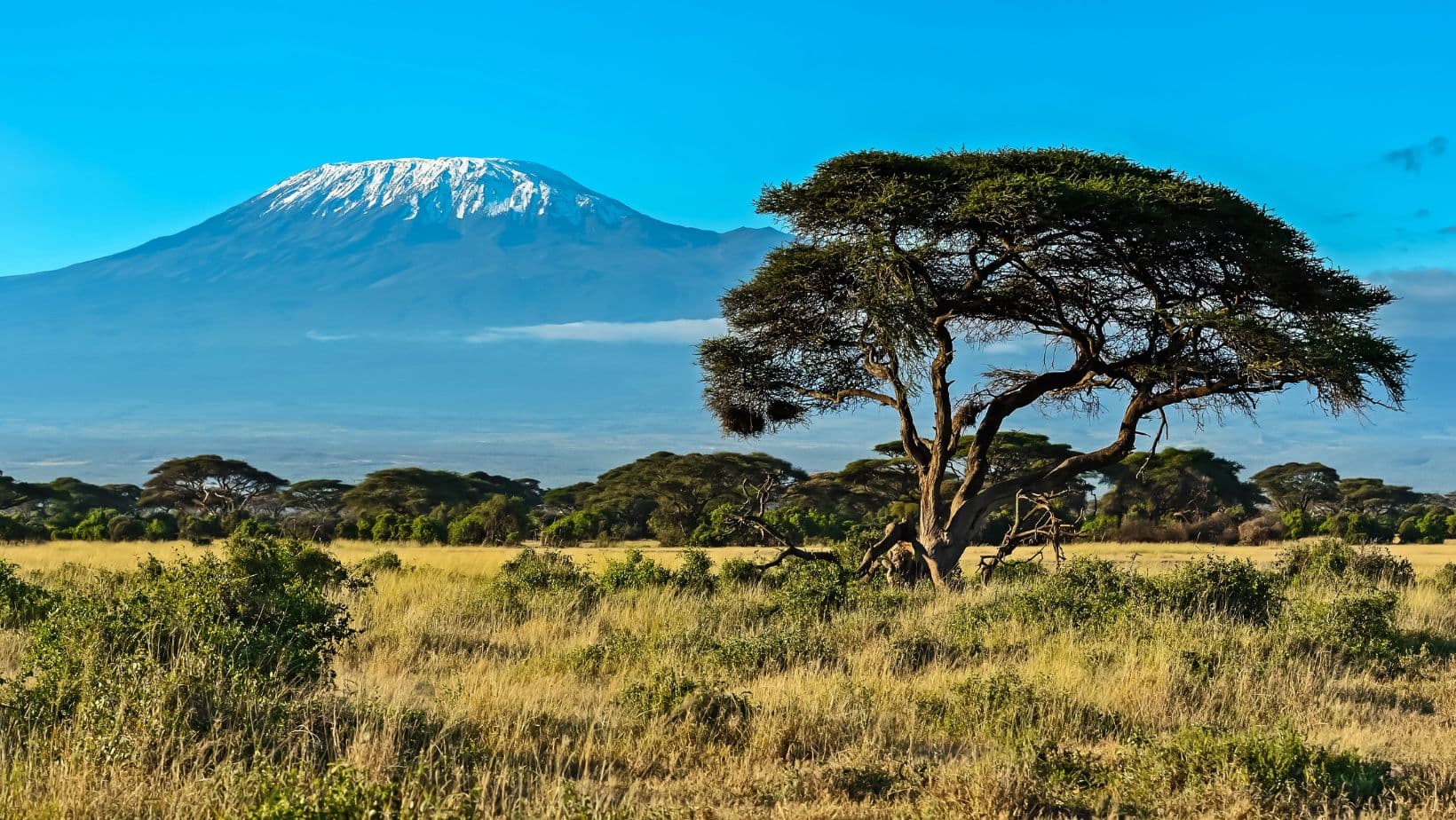
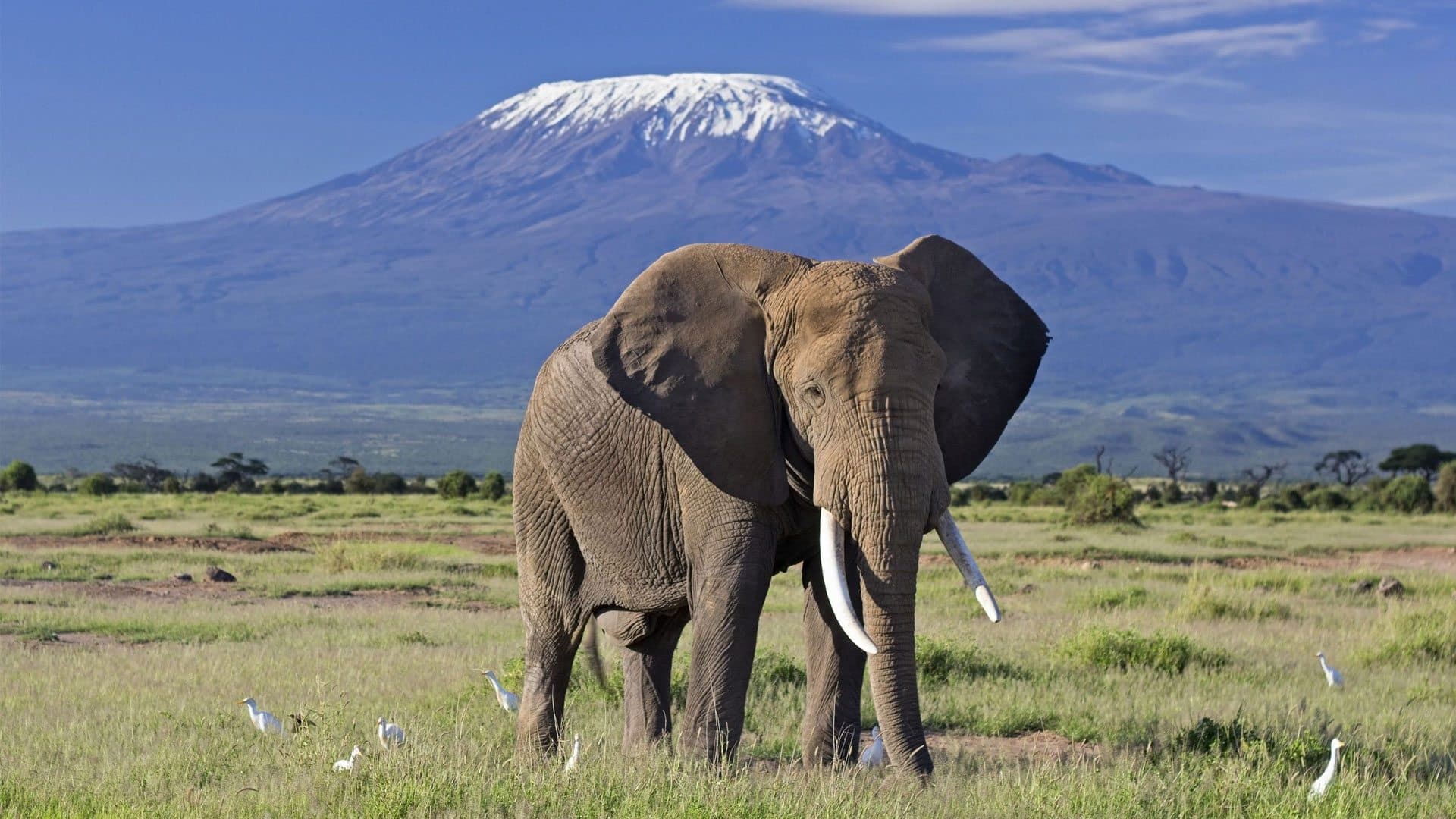
Amboseli is the park of superlatives. The view of elephants moving through golden grass with the summit of Mount Kilimanjaro rising 5,895 metres above the Tanzania border behind them is arguably the most iconic photograph in African wildlife travel.

Amboseli's elephant population is one of the most studied in the world, with some family groups being researched continuously since the 1970s. The herds are large, accustomed to vehicles and remarkably relaxed, making photography opportunities exceptional.

Kilimanjaro ViewsElephant HerdsBig Five600+ Bird SpeciesMaasai Culture
02
Northern Kenya · Semi Arid Wilderness

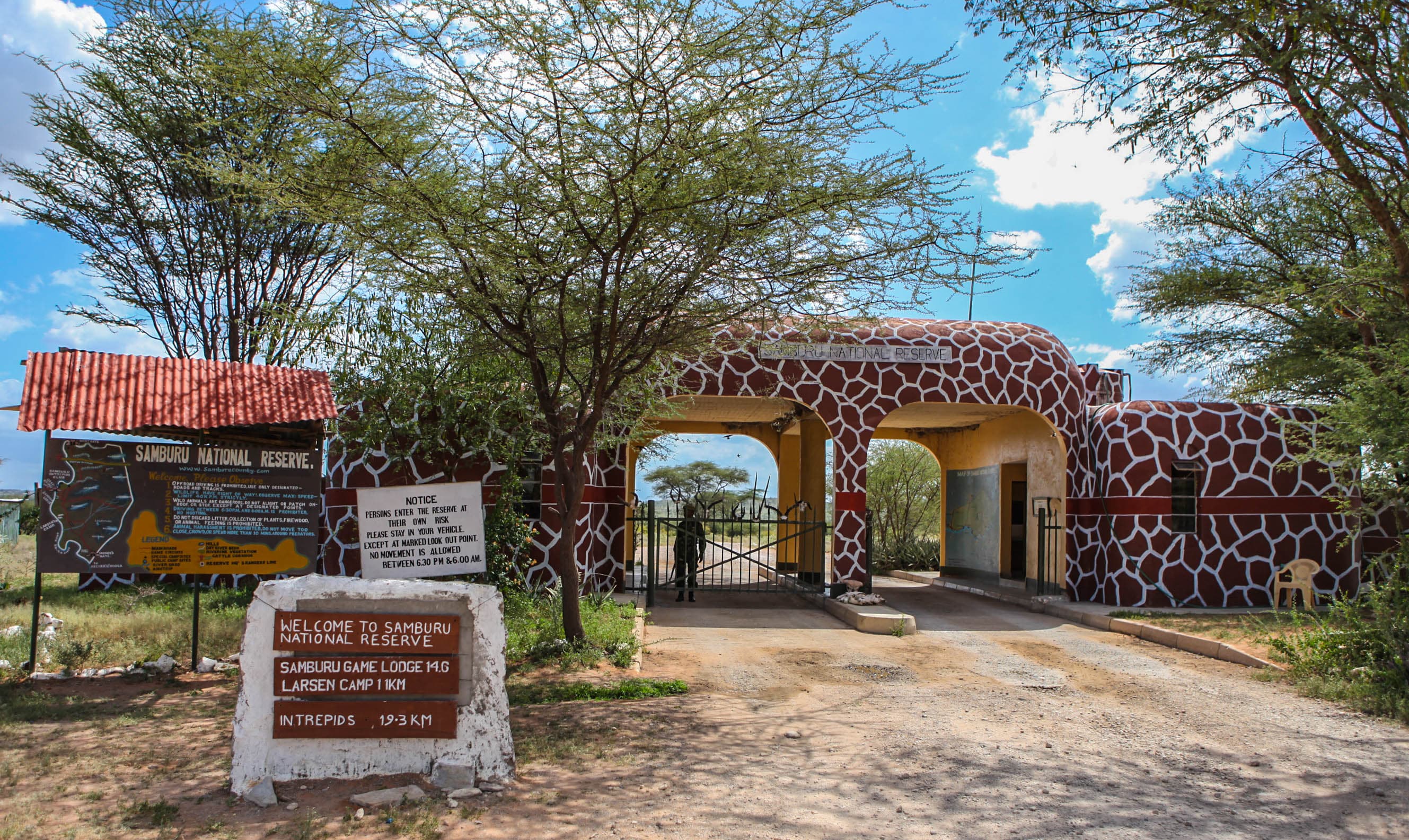
Samburu National Reserve

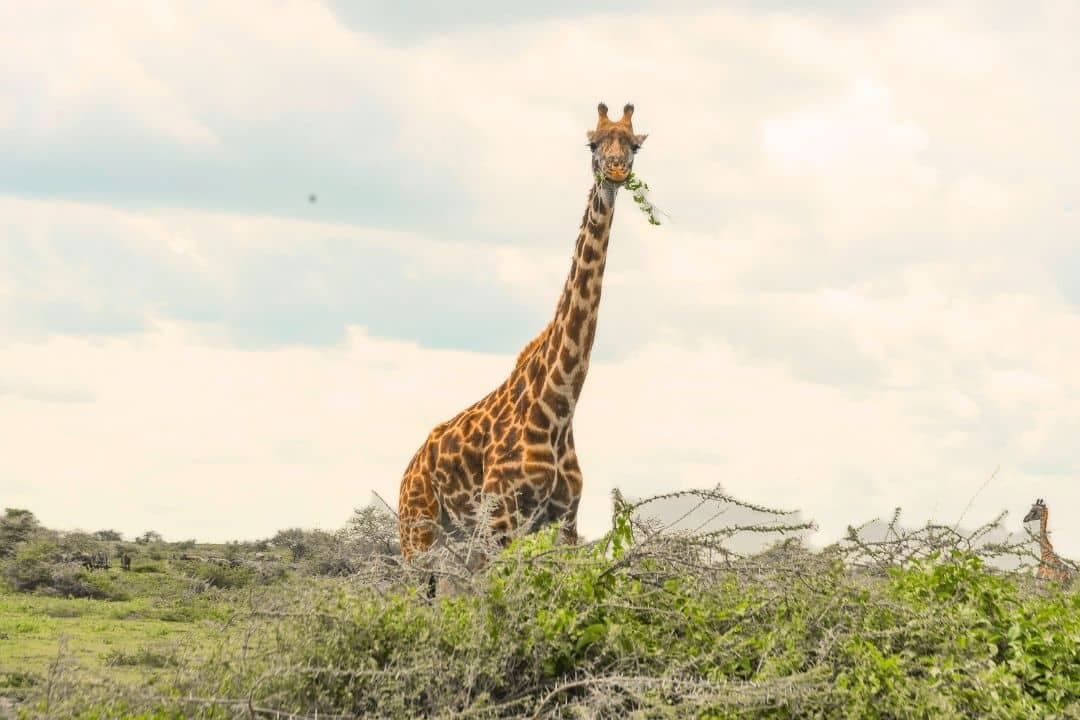
Samburu is Kenya's north, and it feels completely different from the Masai Mara. The landscape is arid, rocky and dramatic. The wildlife is distinct too, featuring the Northern Specials, five endemic species found only north of the Equator in Kenya and Somalia.

The Northern Specials are Samburu's unique selling point: Grevy's zebra, reticulated giraffe, Somali ostrich, gerenuk and beisa oryx. These five alone make Samburu essential for serious wildlife enthusiasts.

Northern SpecialsGrevy's ZebraReticulated GiraffeLeopardsRemote Wilderness
03
Central Kenya · Private Conservancy Country

Laikipia Plateau

Laikipia is one of Kenya's best kept secrets. Stretching across 9,500 square kilometres north of Nairobi, it encompasses a mosaic of private ranches, community conservancies and wildlife corridors managed for both wildlife and local communities.

The plateau hosts Kenya's largest black rhino population outside Nairobi National Park, alongside elephants, lions, wild dogs, cheetahs, Grevy's zebras and over 500 bird species. Activities unavailable in most Kenyan parks are standard here: night drives, walking safaris, horseback and camel safaris.

Black RhinoWild DogsWalking SafarisHorseback SafarisNight Drives
04
Southeast Kenya · Kenya's Largest National Park

Tsavo National Parks

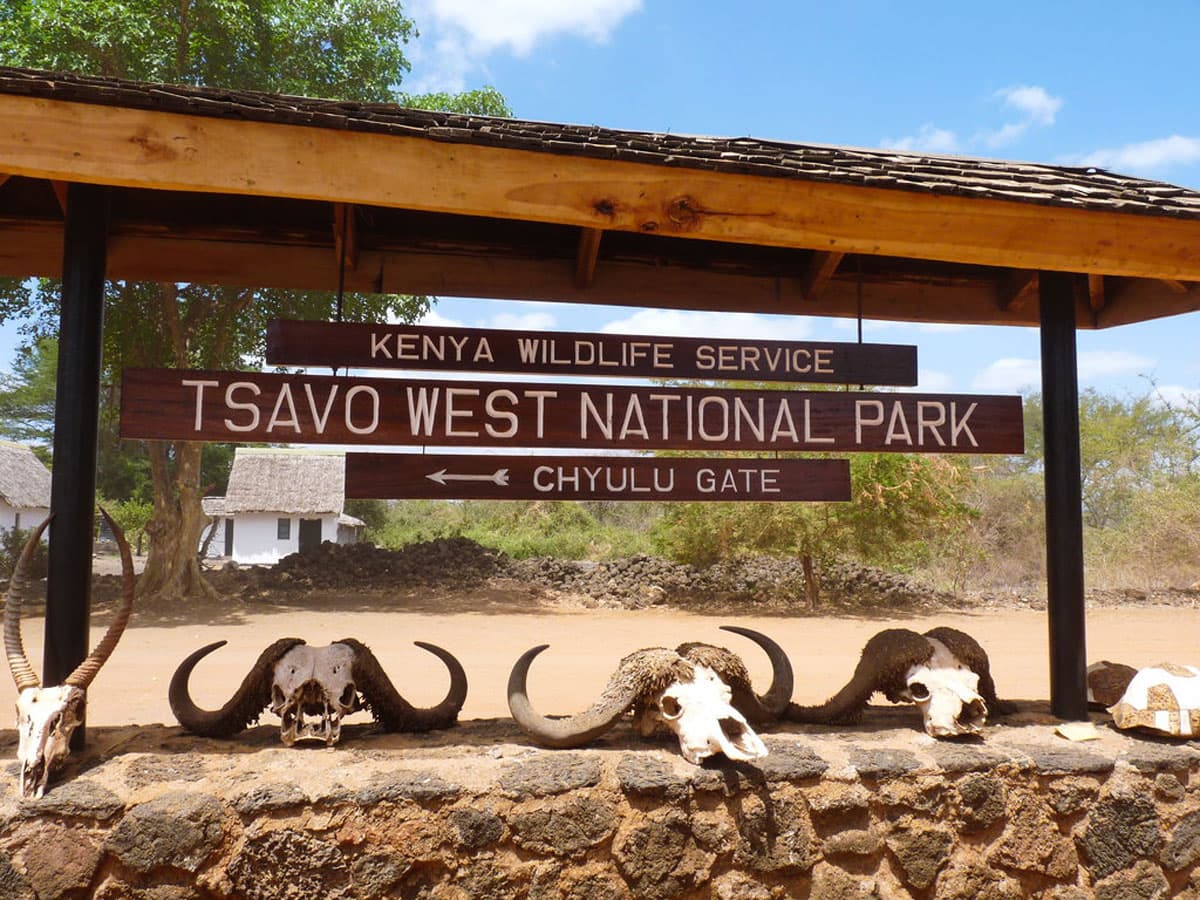
Tsavo East and Tsavo West together form the largest protected area in Kenya, covering over 20,000 square kilometres of spectacular semi arid landscape. The red dust of the plains, the dramatic Yatta Plateau and the volcanic Chyulu Hills create a landscape that feels ancient and untouched.

Tsavo is famous for its large elephant herds, whose skin is permanently stained red from the volcanic dust. The park also supports large populations of lions, buffalos, hippos, giraffes and an extraordinary diversity of birdlife.

Red ElephantsYatta PlateauMzima SpringsUncrowdedCoast Combination
05
When to Go

Best Time to Visit Kenya

Kenya's safari calendar is shaped by the Great Migration and by two dry seasons that deliver the best game viewing. The Masai Mara is excellent year round but the river crossings of July to October are in a category of their own.

Peak

Migration Season

The greatest wildlife spectacle on earth. Over one million wildebeest cross the Mara River in a series of dramatic, life and death crossings. August and September see the highest concentration of crossings.

Jul to Oct
Peak

Dry Season

The northern dry season is excellent for game viewing across all of Kenya's parks. Vegetation is lower, wildlife congregates around water sources and Amboseli's Kilimanjaro views are clearest.

Jan to Mar
Good

Short Rains

Light showers, green landscapes and excellent bird life. Fewer tourists, lower prices and good wildlife viewing. Often described as Kenya's 'secret season'.

Oct to Nov
Shoulder

Long Rains

Heavier rainfall makes some tracks muddy. Wildlife disperses with water available everywhere. Good for flowers and greenery. Not ideal for Migration visits.

Apr to Jun
Jan
Feb
Mar
Apr
May
Jun
Jul
Aug
Sep
Oct
Nov
Dec
Peak
Good
Low
Wildlife Guide

Kenya's Wildlife

Kenya's wildlife is defined by the Great Migration and extraordinary predator density, but the diversity across its different ecosystems is unmatched in East Africa.

Lions

Kenya's Masai Mara has one of the world's highest lion densities. Several famous prides have been studied for decades and are relaxed around vehicles.

  • Famous Mara prides reliably located
  • Amboseli lions roam the open plains
  • Laikipia: excellent nocturnal lion activity
  • Samburu: smaller but reliably sighted prides

Leopards and Cheetahs

Kenya is one of the few places where big cats can reliably be seen every day. The Mara's open plains make cheetah hunting visible in a way impossible anywhere else.

  • Cheetah: Mara and Amboseli open plains
  • Leopard: Laikipia, Samburu, Mara riverine forest
  • Both regularly seen on single day drives
  • Private conservancies offer off road pursuit

African Elephants

Amboseli's elephant population is one of the most studied in Africa, with some families tracked for over 50 years. Kenya's elephants are highly relaxed around safari vehicles.

  • Amboseli: herds of 50–100 common
  • Tsavo: famous 'red elephants' stained by volcanic dust
  • Laikipia: desert adapted northern herds
  • Strict anti poaching has rebuilt populations

Great Migration

Over 1.5 million wildebeest, 200,000 zebras and 400,000 gazelles pour into the Masai Mara from Tanzania in July, creating the world's largest land mammal migration.

  • 1.5 million wildebeest cross into Kenya Jul–Oct
  • Peak river crossings: August and September
  • Mara River crocodiles, up to 3 metres
  • Migration visible from most Mara lodges

Rhinos

Kenya's rhino conservation programme is one of Africa's most successful. Both black and white rhinos can be seen at Ol Pejeta Conservancy in Laikipia.

  • Ol Pejeta: largest black rhino sanctuary in East Africa
  • Lake Nakuru: white rhino on open grassland
  • Nairobi National Park: black rhino within city limits
  • Kenya has 870+ black rhinos, Africa's most

Birds 1,100+

Kenya's 1,136 bird species include extraordinary regional endemics from the coast, the Rift Valley soda lakes and the northern arid zones.

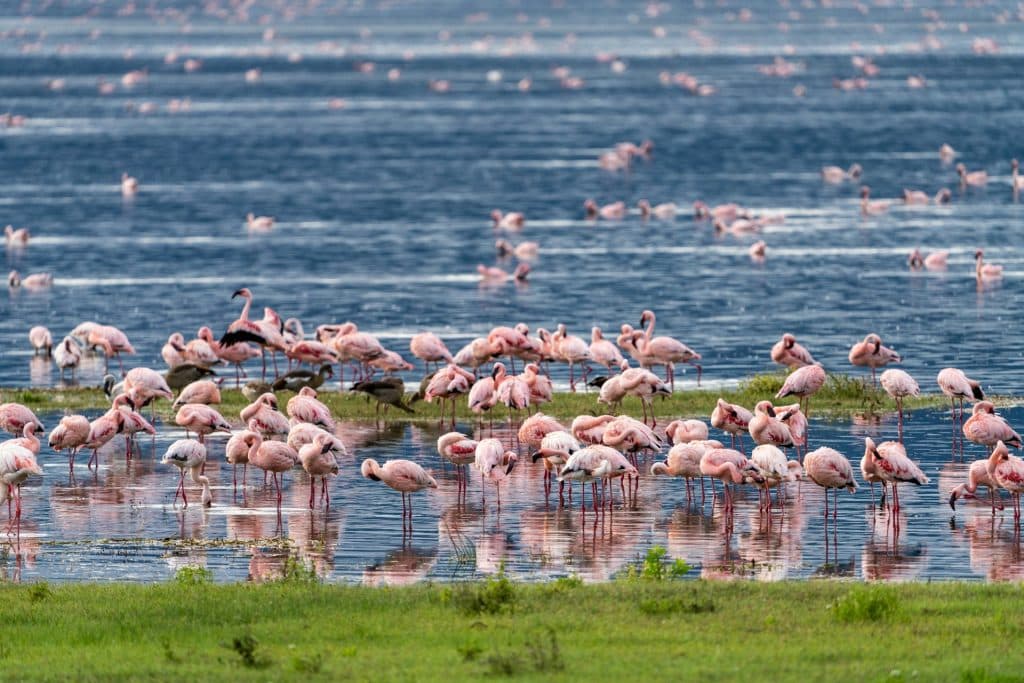
  • Rift Valley soda lakes: millions of flamingos
  • Samburu: Northern Specials five endemics
  • Arabuko-Sokoke Forest: rare coastal endemics
  • Kenya's birding is world class year round
The Big Five
LionMasai Mara / Amboseli / Laikipia
ElephantAmboseli / Tsavo / Laikipia
BuffaloMasai Mara / Tsavo
LeopardLaikipia / Samburu / Mara
RhinoOl Pejeta / Lake Nakuru
What To Do

Kenya Experiences

01

Migration River Crossings

Watching a herd of wildebeest throw itself into the Mara River, with Nile crocodiles waiting below and a wall of animals pressing from behind, is one of the most visceral and extraordinary wildlife experiences available anywhere on earth. The crossings are unpredictable, which makes them addictive. You may wait hours at a crossing point only for the herd to turn away. Then without warning, one animal commits, and within minutes the river is a churning mass of bodies, hooves and spray.

SeasonJuly to October
Peak crossingsAugust and September
LocationMara River crossing points
StrategyHalf day river vigil with guide
Advance booking9–12 months for August
02

Hot Air Balloon Safari

Floating above the Masai Mara at dawn as the sun rises over the escarpment, watching wildlife move across the plains 300 metres below while the pilot navigates between herds, is one of Kenya's signature luxury experiences. The hour-long flight is followed by a champagne bush breakfast served in the field wherever the balloon lands.

DurationApprox 1 hour flight + bush breakfast
DepartureBefore sunrise
CostApprox USD 600 per person
LocationMasai Mara
Best seasonJuly to October
03

Walking Safaris

Walking on the Kenyan savannah with an armed ranger and tracker changes your relationship to the landscape fundamentally. The bush becomes something you inhabit rather than observe. You notice things that a vehicle conceals: the sound of termites, the texture of elephant dung, the tracks of a leopard from the night before.

Best locationsLaikipia / Samburu / Mara conservancies
Duration2 to 4 hours
GuideArmed professional guide + ranger
SeasonDry season preferred
04

Maasai Cultural Experiences

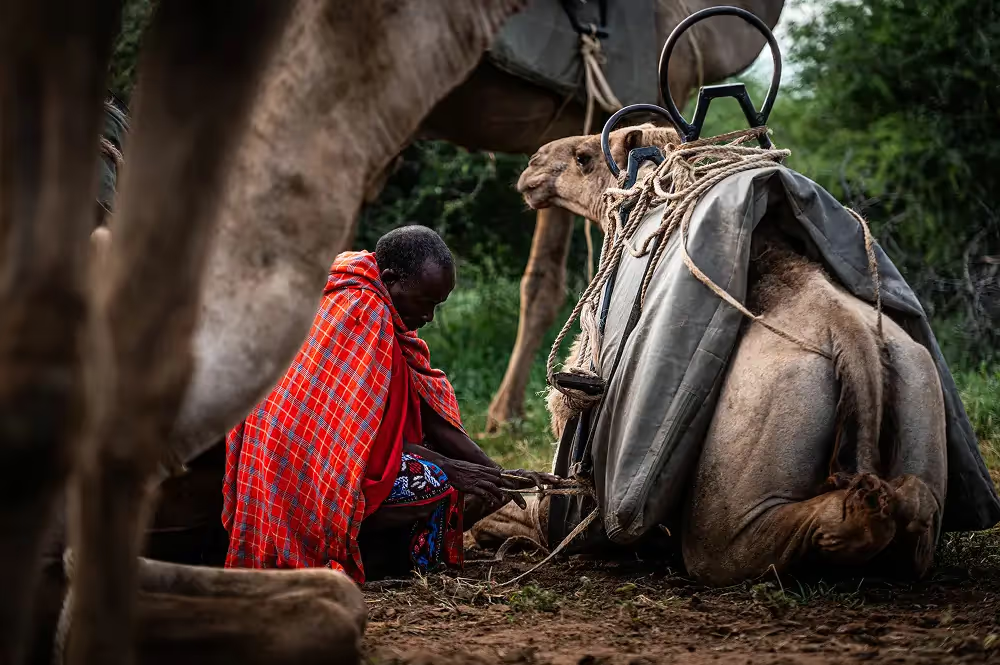
The Maasai people are one of Africa's most iconic and culturally distinct communities. Semi-nomadic cattle herders who have coexisted with Kenya's wildlife for centuries, the Maasai are the guardians of much of the land that makes Kenya's safari ecosystem possible. Visiting a Maasai manyatta (homestead), watching warriors jump, meeting the women who make the beadwork jewellery, and understanding how the community relates to the wildlife on its land adds a depth to any Kenya safari that pure game driving cannot provide.

Best locationsMara conservancies / Amboseli
ActivityVillage visits, jumping dance, bead markets
ResponsibleCommunity managed, proceeds local
05

Safari and Kenya Coast

Kenya's Indian Ocean coastline is one of East Africa's great pleasures: 536 kilometres of white sand beaches, turquoise warm water, Swahili food culture and the ancient trading port of Lamu. Diani Beach south of Mombasa is Kenya's finest beach destination, with a range of lodges from boutique to resort-scale. The Lamu Archipelago is remote, ancient and extraordinar

Beach optionsDiani Beach / Watamu / Lamu
TransferCharter from Tsavo or Mara to coast
Best combinationMara or Tsavo + Diani
Best seasonOctober to March for the coast
06

Nairobi City Highlights

Most visitors arrive and depart through Nairobi and the city deserves at least a full day rather than a transit. The Giraffe Centre at the African Fund for African Wildlife Foundation allows you to hand-feed Rothschild giraffes from eye level. The David Sheldrick Wildlife Trust rehabilitates orphaned baby elephants whose morning mud baths are open to visitors.

Giraffe CentreHand feed endangered Rothschild giraffes
David SheldrickBaby elephant orphanage, morning visit
Karen Blixen MuseumOut of Africa setting
Best forFirst and last day of any Kenya trip
Sample Itineraries

Kenya Itineraries

Three tried and tested Kenya itineraries, each bookable through Savannah Explore Africa.

9 Days · Migration Circuit

Migration Circuit

The Great Migration at its most dramatic

Duration9 days / 8 nights
FromUSD 5,200 per person
SeasonJul to Oct
HighlightRiver Crossings

The definitive Kenya Migration safari: Samburu's northern specials, Laikipia's private conservancy wilderness and the Masai Mara during the peak river crossing season.

Day 1Arrive Nairobi. Overnight Nairobi hotel or fly directly to Samburu.
Days 2–3Samburu National Reserve: Northern Specials, leopards, elephants on the Ewaso Nyiro River.
Days 4–5Fly to Laikipia. Private conservancy game drives, walking safari, night drives.
Days 6–8Fly to Masai Mara. River vigils for Migration crossings. Full day drives.
Day 9Morning game drive. Fly to Nairobi. Depart.
From USD 5,200Enquire →
12 Days · Classic Kenya

Classic Kenya

Kenya's greatest parks in twelve days

Duration12 days / 11 nights
FromUSD 7,800 per person
SeasonYear round
HighlightFull Kenya circuit

The complete Kenya safari: Amboseli's elephants below Kilimanjaro, Samburu's northern wilderness, Laikipia's private conservancies and the Masai Mara.

Day 1Arrive Nairobi. Overnight Nairobi.
Days 2–3Amboseli National Park: elephants and Kilimanjaro views.
Days 4–5Samburu National Reserve: Northern Specials and leopards.
Days 6–7Laikipia Plateau conservancy: rhinos, wild dogs, walking safaris.
Days 8–11Masai Mara: four nights for maximum big cat and Migration exposure.
Day 12Fly to Nairobi. Depart.
From USD 7,800Enquire →
7 Days · Safari and Coast

Safari and Coast

Wildlife and the Indian Ocean in one week

Duration7 days / 6 nights
FromUSD 3,900 per person
SeasonOct to Mar
HighlightSafari + Beach

Kenya's classic two part itinerary: four days of wildlife in Tsavo or Amboseli followed by three days on the Indian Ocean coast at Diani Beach.

Day 1Arrive Nairobi. Connect to Tsavo or Amboseli.
Days 2–4Tsavo West and East: red elephants, Mzima Springs, open savannah.
Days 5–7Charter flight to Diani Beach. Three nights on the Indian Ocean coast.
From USD 3,900Enquire →
Before You Go

Kenya Travel Essentials

Getting There

Jomo Kenyatta International Airport (JKIA) in Nairobi is East Africa's busiest hub. Direct flights from London Heathrow with British Airways and Kenya Airways take approximately 8.5 hours. Connections from Europe, North America and the Middle East are frequent and competitive.

All visitors require the Kenya Electronic Travel Authorisation (eTA), applied for at etakenya.go.ke. Cost: USD 30. Processing typically takes 1 to 3 business days. Apply at least a week before travel.

Health

Yellow fever vaccination is recommended for visitors to national parks and required if arriving from yellow fever endemic countries. Malaria prophylaxis is strongly recommended for all park regions. Nairobi city itself is at altitude and largely malaria-free.

The Flying Doctors Society (AMREF) evacuation insurance is highly recommended for all safari visitors. Medical evacuation from remote parks to Nairobi Nairobi hospital can be essential in an emergency.

Money

The Kenyan Shilling is the local currency. USD is accepted at most lodges and activity operators. Post 2009 US dollar bills only, older bills are refused everywhere. ATMs are widely available in Nairobi.

M-Pesa mobile money is ubiquitous in Kenya and accepted in many locations. Tipping is customary: lodge staff USD 5–10 per day, guide USD 20–30 per day.

Packing

Safari essentials: neutral coloured clothing (khaki, olive, beige), avoid blue which attracts tsetse flies. Light layers for early morning drives (can be cold at 5am even in summer). Wide brimmed hat, sunscreen and insect repellent.

Binoculars are essential, 8×42 or 10×42. A 300mm+ telephoto lens transforms wildlife photography. Dust is pervasive in dry season; protect electronics in a dry bag.

Climate

Nairobi sits at 1,700 metres and averages a pleasant 18–26°C year round. Samburu and Tsavo at lower altitude are hotter (30–38°C in dry season). The Masai Mara's altitude keeps temperatures comfortable (20–28°C).

The short rains (October to November) bring light showers mostly in the afternoon. The long rains (April to June) are heavier and can make tracks muddy, but mornings are often clear.

Practical

Kenya uses British Type G electrical plugs at 240V. All lodges have charging facilities. Mobile coverage with Safaricom is excellent across most parks including remote areas.

Safaricom's M-Pesa is useful for small purchases. Most lodges have strong WiFi in main areas. Remote parks such as northern Samburu and some Laikipia properties have limited connectivity.

Where to Stay

Kenya Lodges

Ultra Luxury

Angama Mara

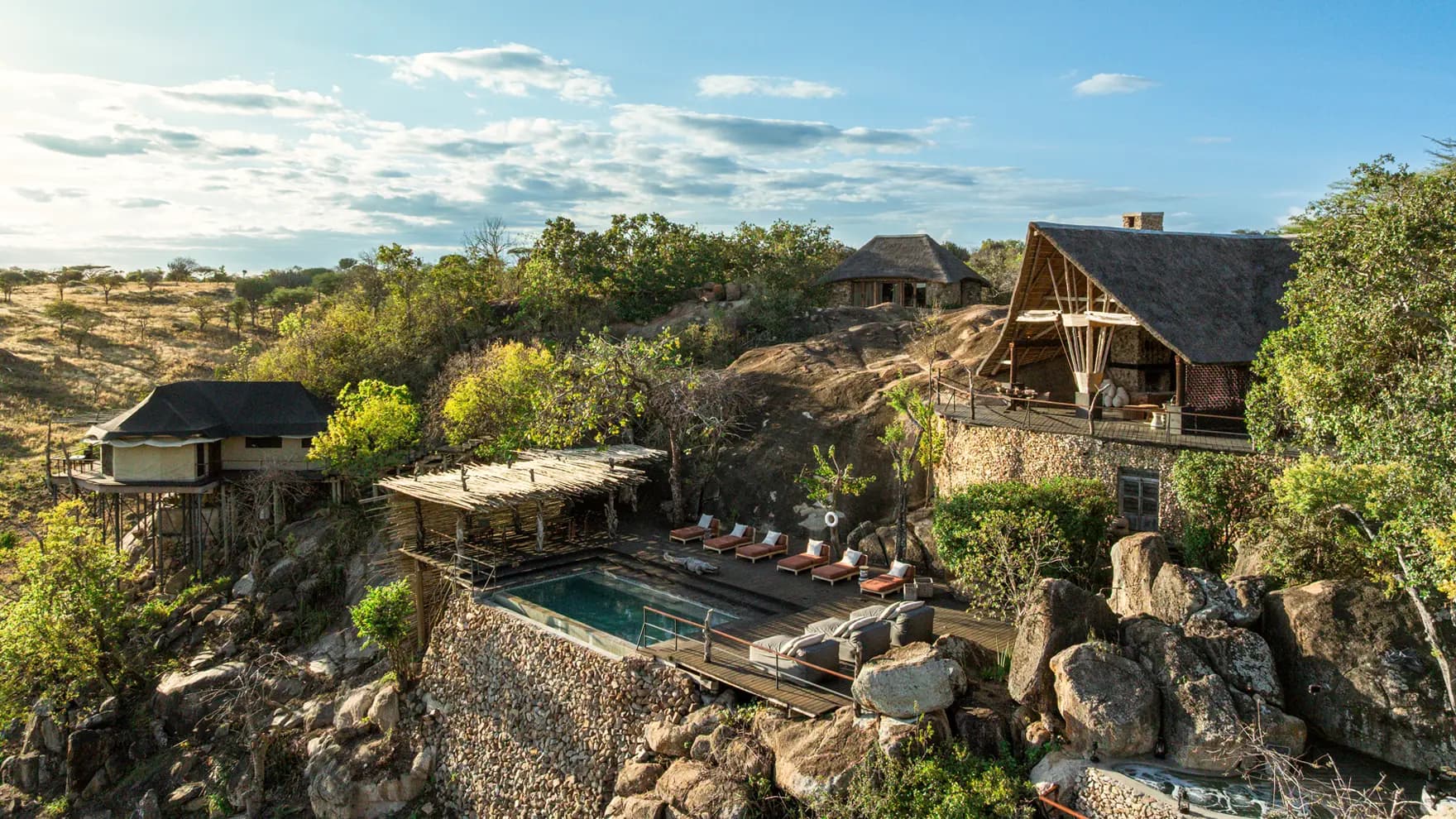
Perched on the edge of the Great Rift Valley escarpment above the Masai Mara, the exact location of the Out of Africa opening scene. Two intimate camps of 15 tented suites each with uninterrupted views across the triangle to Tanzania.

Luxury

andBeyond Bateleur Camp

Eleven classic tented suites in the private Olare Motorogi Conservancy adjacent to the Masai Mara Reserve. Exclusive off road access, night drives and walking safaris unavailable in the reserve itself.

Iconic

The Giraffe Manor

Nairobi's most famous address. Resident Rothschild giraffes peer through first floor bedroom windows at breakfast. Twelve rooms, extraordinary access to the giraffe herd, and Nairobi's most talked about dining experience.

FAQs

Frequently Asked Questions

When is the best time to see the Migration river crossings?+

July to October, with August and September typically seeing the highest frequency of Mara River crossings. The exact timing varies by year, wildebeest follow the rains, not the calendar. We monitor conditions in real time and advise on positioning.

Is the Masai Mara too crowded?+

The Masai Mara Reserve can be busy, particularly August to September. The solution is the private conservancies (Olare Motorogi, Naboisho, Ol Kinyei) which adjoin the reserve and operate with vehicle limits. You get the same wildlife with a fraction of the traffic, plus off road access and night drives.

Can I combine Kenya and Tanzania?+

Yes, a very popular combination. The Masai Mara and Serengeti are part of the same ecosystem separated only by the border. Many visitors combine 5 nights in the Mara with 5 nights in the Serengeti, or add Zanzibar for the complete East Africa circuit.

How far in advance should I book for the Migration?+

For August and September river crossings, book 9 to 12 months in advance. The best Mara conservancy camps have very limited capacity and fill up extremely fast. For other months, 3 to 6 months is usually sufficient.

Is Kenya safe for tourists?+

Kenya's national parks and main tourist regions are considered safe and receive millions of visitors annually. Nairobi requires the standard precautions of any large African city. The northern parks and coast border regions have separate travel advisories, we advise on current conditions for every itinerary.

What is the difference between the Mara Reserve and a conservancy?+

The Masai Mara National Reserve is a government managed area where vehicles must stay on established tracks. The private conservancies are community owned land adjacent to the reserve where vehicles can go off road, night drives are permitted, walking safaris are available and visitor numbers are strictly controlled. Conservancy lodges deliver a markedly superior game viewing experience.

Is it worth visiting Kenya outside the Migration season?+

Yes. Kenya's resident wildlife is extraordinary year round. Lions, leopards, cheetahs, elephants and the full Big Five are reliably sighted throughout the year. January to March (the short dry season) delivers excellent game viewing with fewer visitors and lower rates.

Signature Moments

What defines Kenya

Hand-picked highlights, scroll to explore each in turn.

Kenya
01

Masai Mara big-cat country

Kenya
02

Great Migration river crossings

Kenya
03

Hot air balloon at sunrise

Kenya
04

Samburu, Laikipia and Amboseli

Begin Your Journey

Your story starts
in East Africa.

Tell us your dates, your dream, and how you like to travel. We will design something extraordinary, only for you.