Savannah Explore Africa
East Africa · The Greatest Safari on Earth

Tanzania
Africa at its most iconic

The Serengeti. The Ngorongoro Crater. The Great Migration. Zanzibar's white sand and warm Indian Ocean. Tanzania holds more of Africa's greatest wildlife experiences in one country than anywhere else on earth.

Tanzania Overview

The Greatest Wilderness on Earth

Tanzania is Africa's greatest safari destination. The Serengeti's boundless golden plains, the Ngorongoro Crater's enclosed ecosystem, the Tarangire's dry season elephant spectacle, and Zanzibar's turquoise beaches combine to create a safari experience unlike anywhere else on the continent.

The scale is extraordinary. Tanzania covers 945,000 square kilometres, yet that scale is matched by concentration: over a third of the country is protected as national parks, game reserves and conservation areas. The wildlife populations are the largest in Africa. The landscapes range from the lowest point in East Africa at Lake Tanganyika to the summit of Kilimanjaro at 5,895 metres.

What makes Tanzania unique is the combination of pristine wilderness with accessibility. The northern circuit's Serengeti, Ngorongoro and Tarangire are reached easily via Kilimanjaro Airport. Charter flights connect parks in minutes. The quality of lodges ranges from intimate bush camps to ultra luxury properties that follow the Migration.

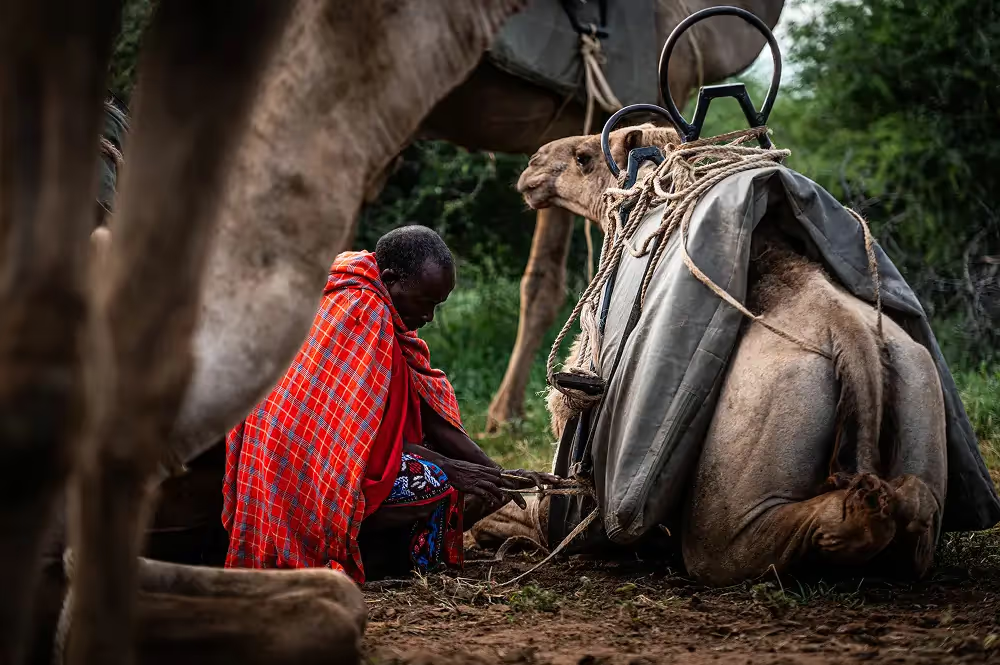
Tanzania is a country of astonishing natural beauty and cultural richness. The Maasai people, custodians of much of the northern safari lands, have co existed with the wildlife for centuries. Stone Town in Zanzibar represents one of the ancient Indian Ocean's great cultural capitals.

CapitalDodoma (Dar es Salaam is largest city)
Size945,087 km²
Population63 million
CurrencyTanzanian Shilling, USD widely accepted
LanguageSwahili · English (official)
Time ZoneUTC+3 (EAT)
Flight TimeLondon ~9 hrs · New York ~16 hrs · Dubai ~5.5 hrs
Migration SeasonYear round, calving Jan–Mar, crossings Jul–Oct
VisaOnline or on arrival, USD 50 single entry
VaccinationsYellow fever required · Malaria prophylaxis recommended
Why Tanzania

The Serengeti and the Great Migration

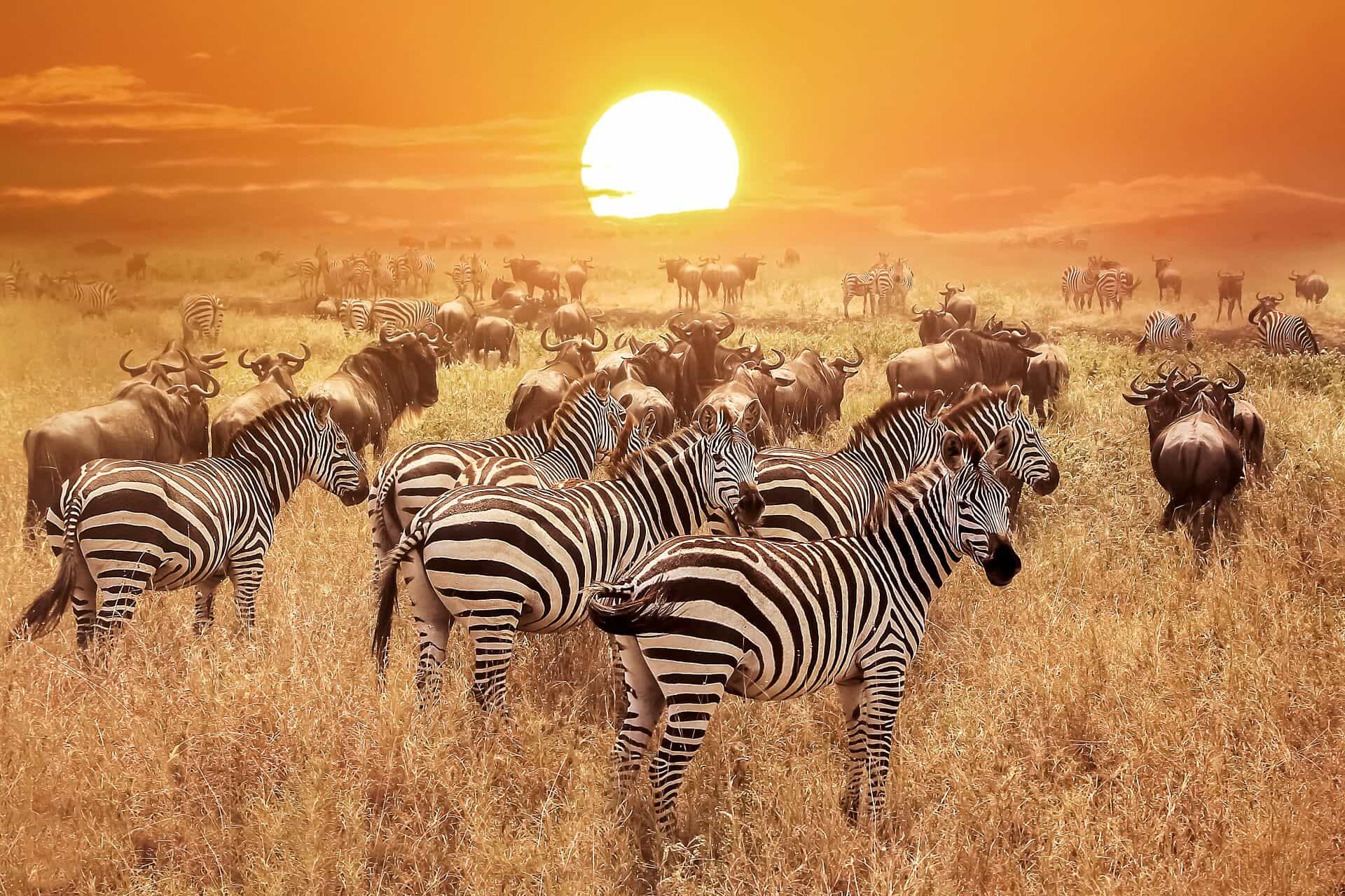
The world's greatest wildlife spectacle plays out year round across 14,763 square kilometres of Africa's most famous savannah. Calving in January, river crossings in August, and predator drama throughout the year.

Ngorongoro Crater: Africa's Eden

30,000 animals enclosed in a single volcanic caldera. Virtually guaranteed Big Five sightings including black rhino on every descent. A natural wonder unlike anywhere else on the continent.

Safari and Zanzibar in One Trip

A 45 minute charter from any Serengeti airstrip delivers you to Zanzibar's white sand beaches. The definitive East Africa combination: endless wildlife followed by the warm Indian Ocean.

More Wildlife, More Space

Tanzania has 16 national parks covering a third of the country's land. The Southern Circuit's Ruaha and Nyerere offer Big Five game viewing in complete seclusion, with none of the Serengeti's visitor numbers.

Top National Parks

Tanzania's Wild Kingdoms

Tanzania's parks span from the iconic Serengeti plains to the remote southern wilderness, offering some of the most diverse and spectacular safari experiences in Africa.

Northern Tanzania · UNESCO World Heritage Site

Serengeti National Park

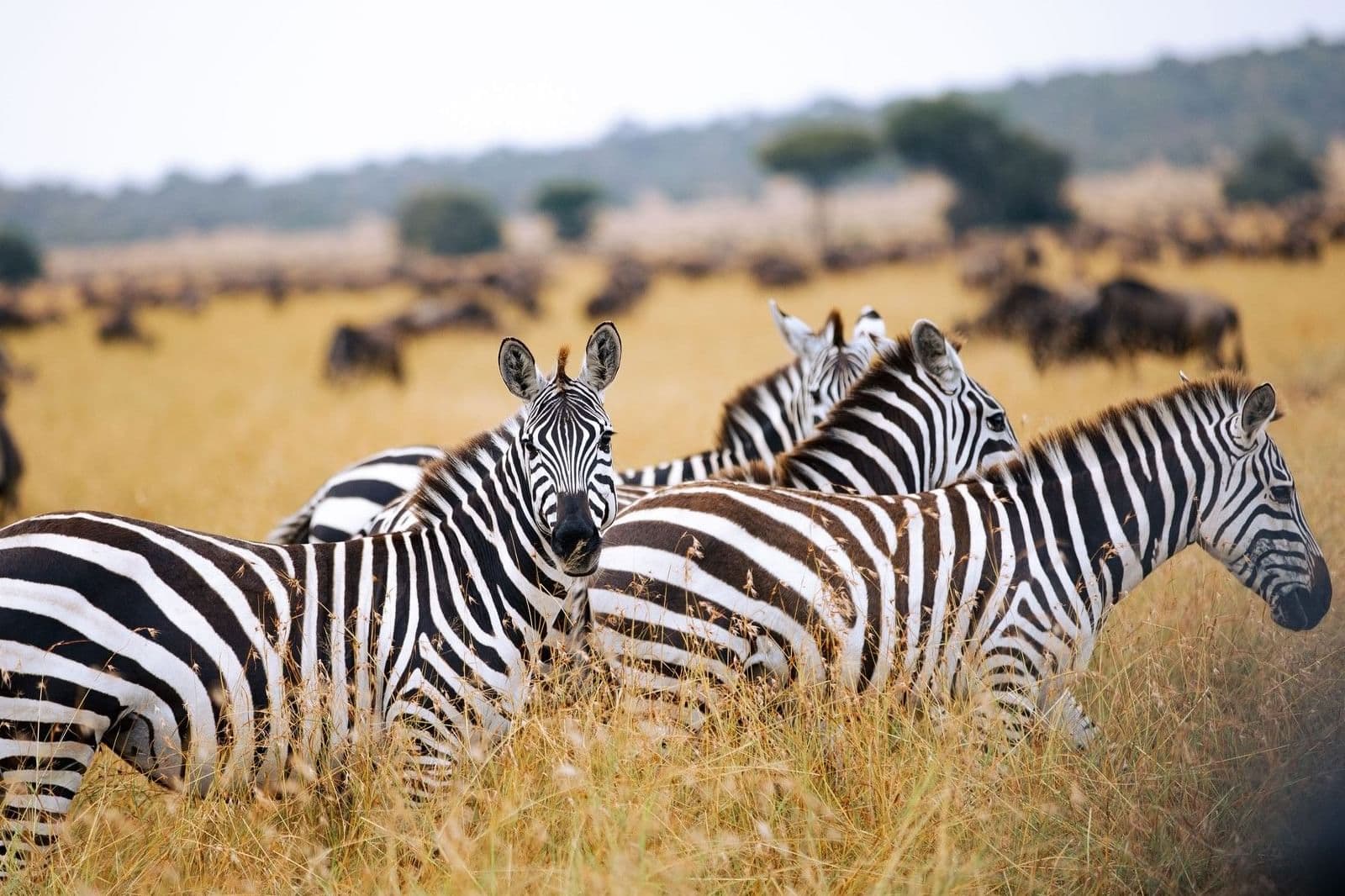
The Serengeti is the most famous national park in Africa and the defining safari experience for most visitors. Covering 14,763 square kilometres of seemingly endless savannah, the park supports the most concentrated and diverse predator population on earth.

The park has four distinct ecosystems. The southern plains (Ndutu) are where the wildebeest calve from January to March. The central Seronera region offers year round big cat sightings. The Western Corridor sees the herds crossing the Grumeti River in June. The northern Serengeti borders the Masai Mara and witnesses massive Mara River crossings from August to October.

Great Migration Year RoundBig FiveHot Air BalloonsCalving Season Jan–MarNile Crossings Aug–Oct
01
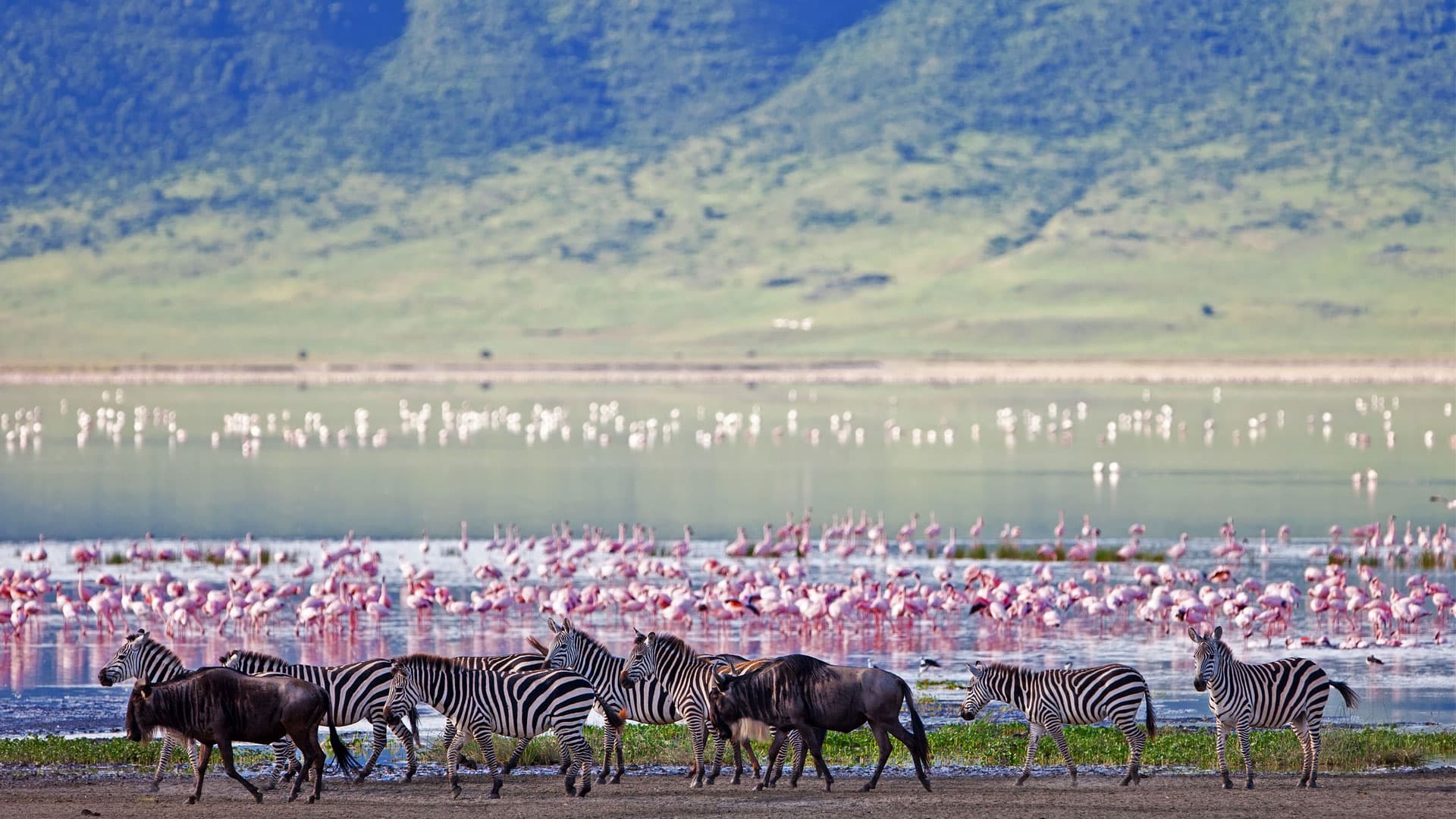
Northern Tanzania · World's Largest Intact Caldera

Ngorongoro Crater

The Ngorongoro Crater is one of the natural wonders of Africa. Formed when a giant volcano collapsed inward approximately two to three million years ago, the caldera measures 19 kilometres across and 600 metres deep, creating a self contained ecosystem of extraordinary productivity. Approximately 30,000 large mammals live permanently within its walls.

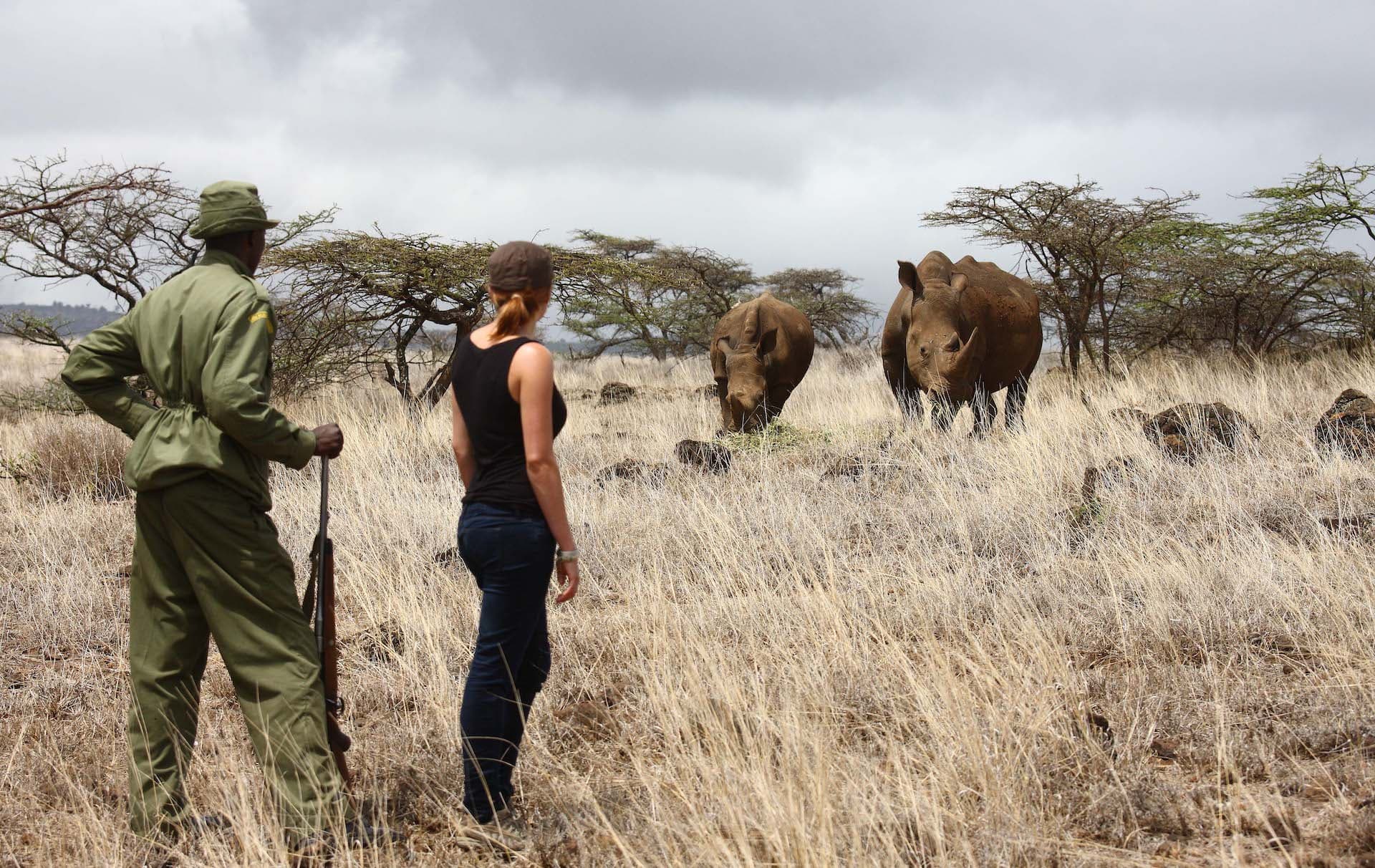
The floor of the crater supports lions (one of the densest lion populations in Africa), leopards, spotted hyenas, elephants, buffalos, hippos, wildebeest and zebras. Most significantly, the crater holds one of the last remaining wild populations of black rhino in Tanzania.

Black RhinoDensest Lion Population30,000 AnimalsBig Five ReliableRim Lodge Views
02
Northern Tanzania · Tanzania's Elephant Kingdom

Tarangire National Park

Tarangire is significantly underrated by visitors who rush to the Serengeti and Ngorongoro. During the dry season from June to October, the Tarangire River becomes the only permanent water source in the area, drawing elephants in concentrations that rival anything in Africa. Herds of 200 to 300 individuals are common.

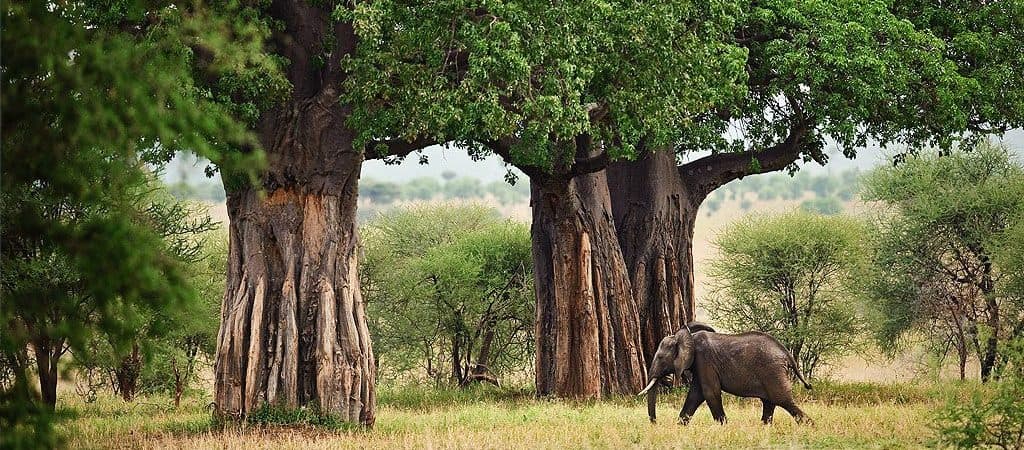
The landscape itself is remarkable: ancient baobab trees, some over 1,000 years old, stand as natural monuments across the golden plains. The giant baobab and elephant combination makes Tarangire one of the most photogenic parks in Tanzania.

Elephant ConcentrationsAncient Baobabs500+ Bird SpeciesNight Drives AvailableDry Season Specialist
03
Southern Tanzania · Tanzania's Largest National Park

Ruaha National Park

Ruaha is Tanzania's best kept secret: the country's largest national park, one of Africa's most important wildlife areas, and consistently one of the continent's most undervisited. The park sits in the heart of Tanzania's Southern Highlands, a landscape of ancient baobab forest, dramatic rocky outcrops and wide sand rivers.

Ruaha holds Tanzania's largest elephant population (over 12,000 individuals) alongside lions, leopards, cheetahs, wild dogs and significant populations of greater and lesser kudu, roan antelope and sable antelope. The wildlife diversity is extraordinary and the complete absence of tourist crowds means encounters feel entirely wild.

12,000+ ElephantsWild DogsUncrowdedKudu and SableSouthern Circuit
04
Northern Tanzania · Gateway to the Northern Circuit

Lake Manyara National Park

Lake Manyara is the natural first stop on the northern safari circuit, sitting just 2 hours from Arusha. Despite its compact size, the park packs extraordinary diversity into its 648 square kilometres: alkaline lake, groundwater forest, acacia woodland, open floodplain and the soaring Rift Valley escarpment.

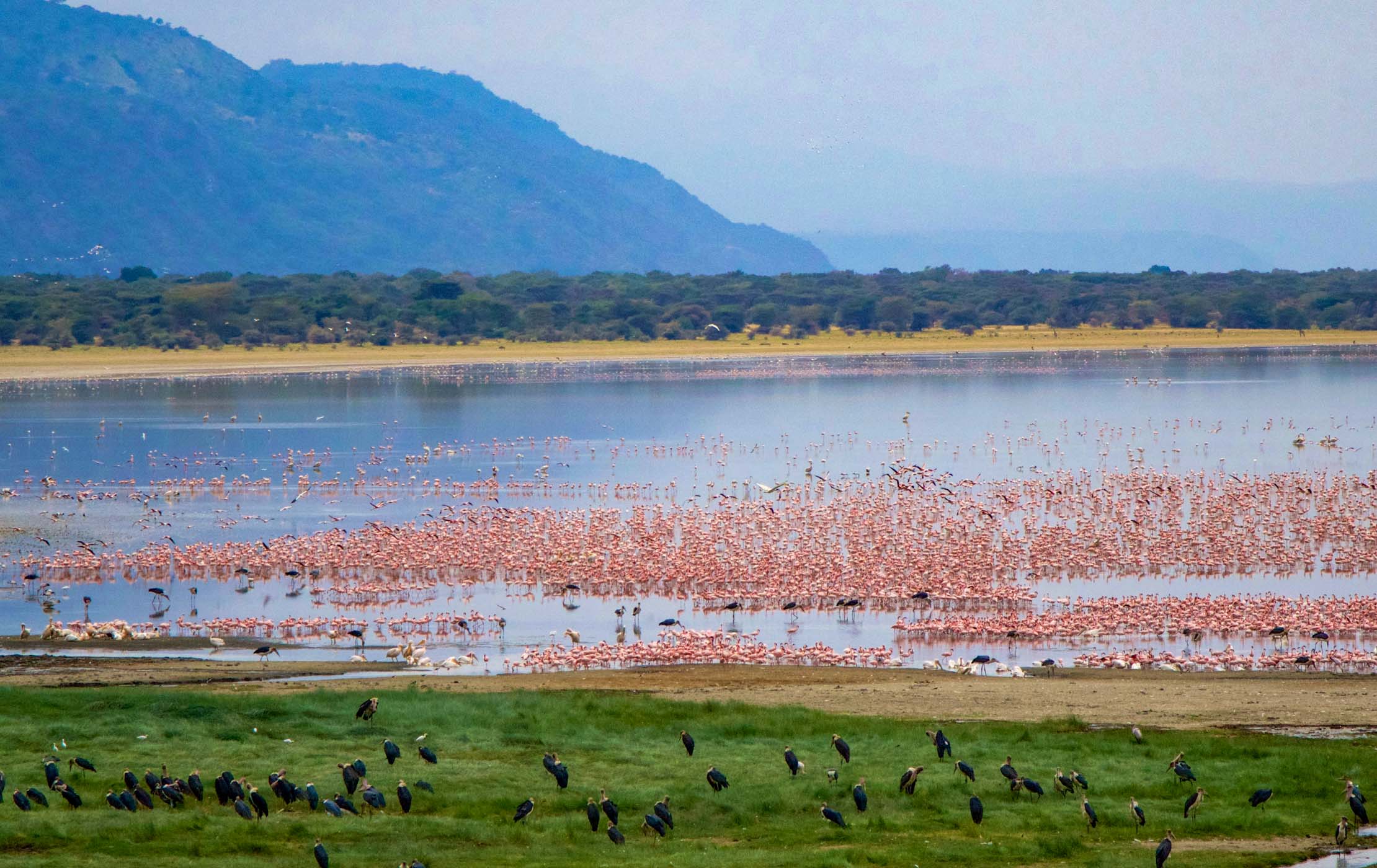
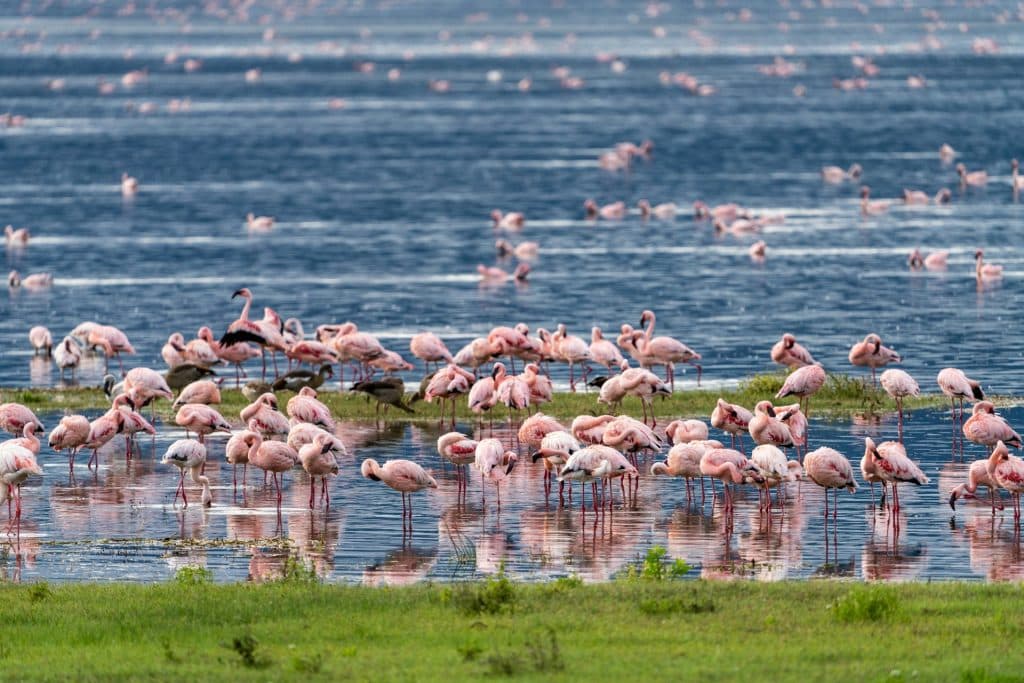
The park is famous for its tree climbing lions, and more reliably: large hippo pods in the shallows, enormous flocks of flamingos turning sections of the lake pink, and large elephant families moving through the groundwater forest. The park holds over 400 bird species.

Tree Climbing LionsFlamingosHippos400+ Bird SpeciesRift Valley Views
05
When to Go

Best Time to Visit Tanzania

Tanzania's wildlife calendar is year round, but the Great Migration and two dry seasons define the optimal safari windows for different experiences.

Peak

Dry Season and Crossings

The principal dry season combines the Serengeti's Mara River crossings (Aug–Oct) with excellent game viewing across all parks. Vegetation is low, wildlife concentrates at waterholes and photography is at its finest.

Jun to Oct
Peak

Calving Season

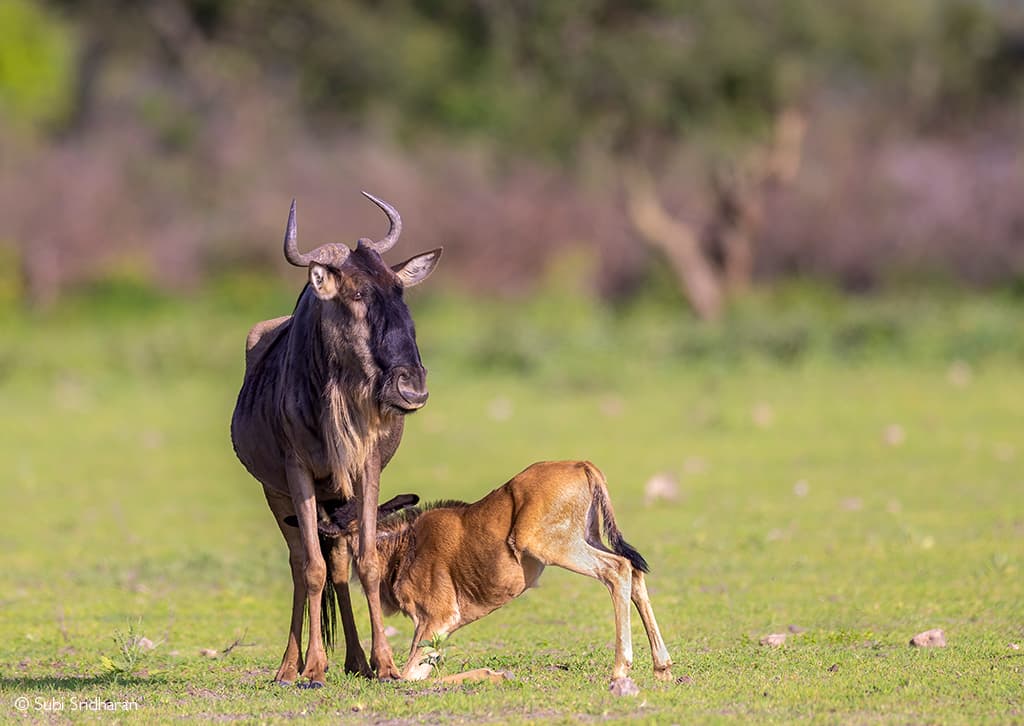
January to March is the calving season on the southern Serengeti plains (Ndutu area). 8,000 wildebeest are born every day, drawing extraordinary predator activity from lions, cheetahs and hyenas.

Jan to Mar
Good

Short Rains

Light rains make landscapes dramatically green. Excellent birding as migrants arrive. Game viewing remains good and visitor numbers are lower with competitive rates.

Oct to Nov
Low

Long Rains

Heavier rainfall, particularly in April and May. Some tracks become difficult. The southern Serengeti and Ngorongoro remain accessible. This is Zanzibar's windier season.

Apr to May
Jan
Feb
Mar
Apr
May
Jun
Jul
Aug
Sep
Oct
Nov
Dec
Peak
Good
Low
Wildlife Guide

Tanzania's Wildlife

Tanzania holds Africa's largest wildlife populations and the continent's most diverse safari circuit. Here are the encounters that define a Tanzania safari.

Great Migration

The world's largest land mammal migration: 1.5 million wildebeest, 200,000 zebras and 400,000 gazelles moving in a continuous cycle across the Serengeti and Masai Mara.

  • Calving: Jan–Mar on southern Serengeti plains
  • Western Corridor Grumeti crossings: Jun–Jul
  • Mara River crossings: Aug–Oct northern Serengeti
  • Year round, the herds never stop moving

Lions

Tanzania has Africa's largest lion population. The Serengeti's plains and the Ngorongoro Crater's enclosed ecosystem support exceptional pride densities.

  • Ngorongoro: Africa's densest lion concentration
  • Serengeti: famous prides studied for decades
  • Ruaha: trophy sized males in the south
  • Tanzania holds 40% of Africa's lions

African Elephants

Tanzania's elephants range from the vast herds of Tarangire to the solitary bulls of Ruaha. Tarangire's dry season concentrations are among the most spectacular in Africa.

  • Tarangire: herds of 200–300 in dry season
  • Ruaha: 12,000+ elephants, largest in Tanzania
  • Serengeti: large roaming herds
  • Strict anti poaching since 2014 has rebuilt populations

Black Rhino

The Ngorongoro Crater holds one of Tanzania's last viable black rhino populations, making a crater descent the most reliable rhino encounter in the country.

  • Ngorongoro Crater: 25–30 black rhinos
  • Best sightings: early morning crater descent
  • Serengeti: very small dispersed population
  • Critically endangered, under 5,000 in Africa

Leopards and Cheetahs

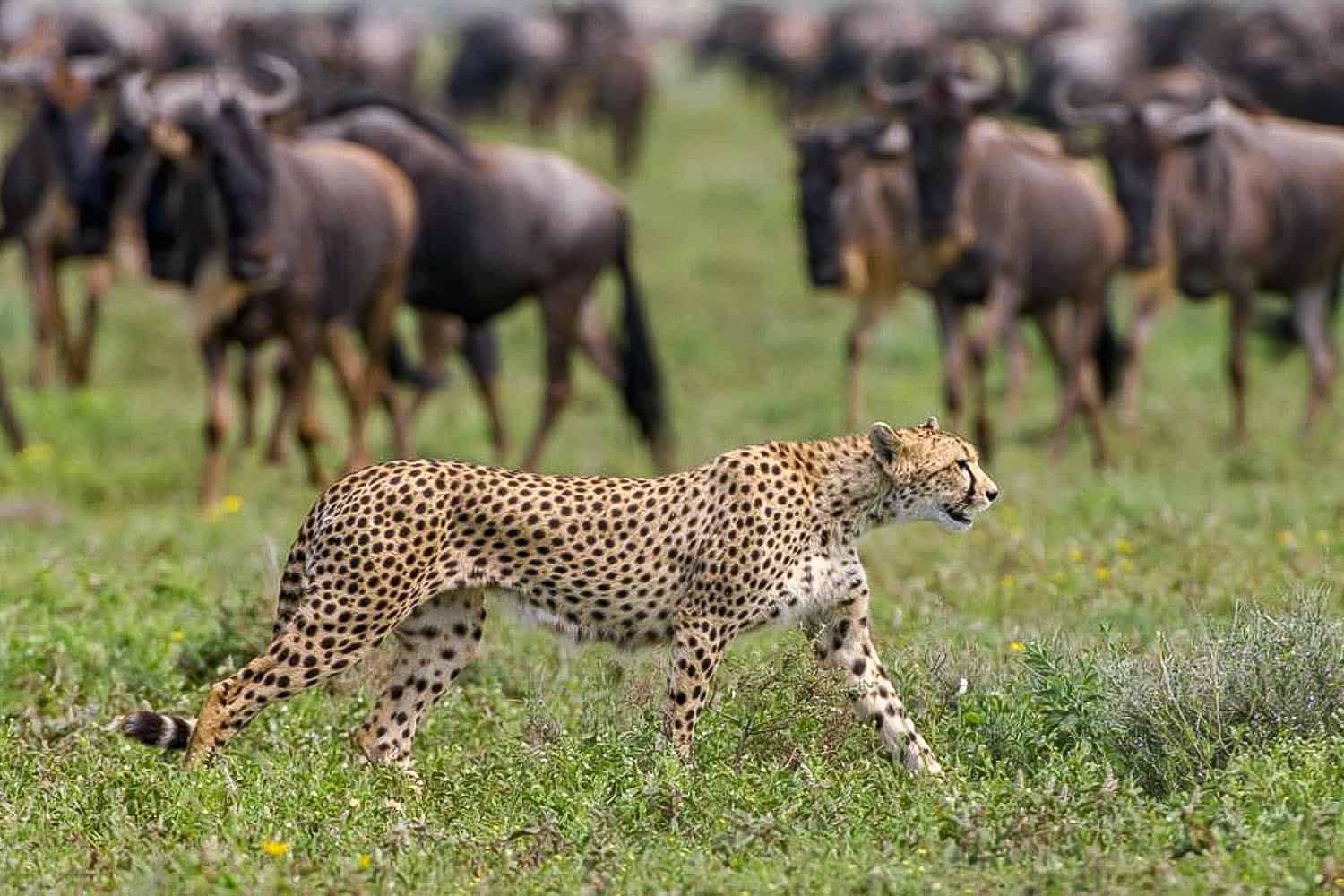
Tanzania's open plains make cheetah hunting visible in extraordinary detail. Leopards are reliably found in the Serengeti's kopje country and Tarangire's riverine forest.

  • Cheetah: Serengeti southern plains and Ndutu
  • Leopard: Seronera kopjes and Tarangire
  • Both often seen on single Serengeti game drive
  • Ngorongoro Crater: leopard on crater rim at night

Birds 1,100+

Tanzania's 1,100 bird species include extraordinary Rift Valley concentrations and rare endemics in the isolated mountains and forests.

  • Ngorongoro: flamingos on soda lakes
  • Tarangire: massive dry season bird concentrations
  • Ruaha: Ruaha red billed hornbill endemic
  • Serengeti: raptors, secretary birds, ostriches
The Big Five
LionSerengeti / Ngorongoro / Ruaha
ElephantTarangire / Ruaha / Serengeti
BuffaloSerengeti / Ngorongoro
LeopardSeronera Kopjes / Tarangire
Black RhinoNgorongoro Crater
What To Do

Tanzania Experiences

01

Serengeti Game Drives

Game drives across 14,763 square kilometres of Africa's most famous savannah, following the Migration, tracking predators and watching the endless plains of the world's greatest wildlife stage.

Best seasonYear round, different experiences each month
Vehicle4WD open sided safari vehicle
Drive timesDawn, morning, afternoon and sundowner
Night drivesAvailable in private concession areas
02

Ngorongoro Crater Descent

Descend into Africa's natural Eden: a 19km wide caldera holding 30,000 animals with virtually guaranteed Big Five sightings on every visit, including the rare black rhino.

Caldera size19 km wide, 600 m deep
Animals30,000 large mammals
Daily vehicle limitStrictly controlled
Best timeEarly morning descent, 06:00 from rim
03

Hot Air Balloon over the Serengeti

Float silently over the Serengeti plains at dawn, watching the landscape emerge below in golden light, herds moving across the grass and predators following in their wake.

DurationApprox 1 hour + bush breakfast
DepartureBefore sunrise
CostApprox USD 600 per person
Best seasonJuly to October over the migrating herds
04

Zanzibar and the Indian Ocean

A 45 minute charter from any Serengeti airstrip delivers you to Zanzibar's white beaches, the definitive East Africa two part experience.

Transfer time45 minutes by charter
Best forEnd of safari decompression
DivingMnemba Atoll: world class
Best seasonOctober to March
05

Maasai Cultural Experiences

The Maasai people are the custodians of Tanzania's northern safari lands. Cultural visits to traditional bomas reveal warrior culture, cattle husbandry and the ancient coexistence with wildlife.

Best locationsAround Ngorongoro and Serengeti
ActivityVillage visits, traditional dances, craft markets
ResponsibleCommunity owned and operated
06

Southern Circuit

Ruaha and Nyerere (Selous) in southern Tanzania offer Big Five game viewing in complete seclusion, the same wildlife as the north with none of the crowds.

ParksRuaha NP and Nyerere NP (Selous)
AccessCharter from Dar es Salaam or Zanzibar
HighlightWild dogs, Ruaha elephants, boat safaris
CrowdsVirtually none, an exclusive experience
Sample Itineraries

Tanzania Itineraries

Three tried and tested Tanzania itineraries, each bookable through Savannah Explore Africa.

9 Days · Northern Circuit

Northern Circuit

The Serengeti, Ngorongoro and Tarangire

Duration9 days / 8 nights
FromUSD 5,800 per person
RegionNorthern Tanzania
HighlightBig Five + Migration

Tanzania's classic northern circuit connecting Tarangire's elephant kingdom, the Serengeti's plains and the Ngorongoro Crater's enclosed Eden.

Day 1Arrive Kilimanjaro Airport. Transfer to Arusha.
Days 2–3Tarangire National Park: elephants, baobabs, exceptional birding.
Days 4–6Serengeti National Park: three full days following the Migration and tracking predators.
Day 7Ngorongoro Crater: full day descent for Big Five including black rhino.
Day 8Lake Manyara or Karatu. Relaxation day.
Day 9Return to Arusha/Kilimanjaro. Depart.
From USD 5,800Enquire →
12 Days · Safari and Zanzibar

Safari and Zanzibar

Wildlife on the plains, relaxation on the ocean

Duration12 days / 11 nights
FromUSD 7,200 per person
RegionNorthern Tanzania + Zanzibar
HighlightSafari + Beach

The complete East Africa experience: the Serengeti's wildlife drama followed by Zanzibar's white beaches, Indian Ocean diving and Stone Town culture.

Day 1Arrive Kilimanjaro. Transfer to Arusha overnight.
Days 2–3Tarangire National Park: elephants and baobabs.
Days 4–7Serengeti: four nights for Migration, calving season or river crossings depending on timing.
Day 8Ngorongoro Crater descent. Full day for Big Five.
Days 9–12Charter to Zanzibar. Stone Town, Nungwi or Matemwe beach. Mnemba Atoll diving.
From USD 7,200Enquire →
14 Days · Family Adventure

Family Adventure

Tanzania's greatest parks with families in mind

Duration14 days / 13 nights
FromUSD 9,500 per person
RegionNorthern Tanzania + Zanzibar
HighlightFamily Safari

Tanzania's full northern circuit designed for families: accessible parks, hot air balloon, Maasai cultural visits and Zanzibar beach to finish.

Days 1–2Arrive Kilimanjaro. Arusha cultural day and orientation.
Days 3–4Tarangire: elephants, walking trails and tree top lodge experiences.
Days 5–8Serengeti: four nights including hot air balloon sunrise flight.
Days 9–10Ngorongoro: two full crater descents for Big Five including rhino.
Days 11–14Zanzibar: Stone Town exploration, spice farm tour, beach and snorkelling.
From USD 9,500Enquire →
Before You Go

Tanzania Travel Essentials

Getting There

Tanzania's two main international gateways are Kilimanjaro International Airport (JRO) for the northern circuit, and Julius Nyerere International Airport (DAR) in Dar es Salaam for Zanzibar and the southern circuit. Direct flights operate from London, Amsterdam and several Middle Eastern hubs.

The Tanzania e-Visa (USD 50) is applied for online at eservices.immigration.go.tz. Processing takes 5 to 10 business days. Apply at least two weeks before travel.

Health

Yellow fever vaccination is required if arriving from a yellow fever endemic country and strongly recommended for all visitors. Malaria prophylaxis is essential for all park regions including Zanzibar.

Medical evacuation insurance is strongly advised for all Tanzania safari visitors. AMREF Flying Doctors provides evacuation cover from any landing strip in Tanzania to Nairobi or Dar es Salaam. This is not a precaution, it is a necessity.

Money

The Tanzanian Shilling is the local currency. US dollars are universally accepted at lodges, parks and operators. Post 2009 bills only, older bills are refused everywhere. ATMs are available in Arusha and Dar es Salaam.

Park fees and most lodge balances must be paid in USD. Carry a mix of cash for tips and small purchases in villages and markets.

Packing

Neutral safari colours (khaki, beige, olive green) are recommended across all parks. Avoid black and dark blue which attract tsetse flies particularly in Tarangire. Morning game drives in the Serengeti can be cold, pack a fleece layer.

A high quality camera with a telephoto lens (300mm minimum) transforms wildlife photography. Binoculars (8×42 or 10×42) are essential. Dust bags for electronics in the dry season.

Climate

Arusha at 1,400 metres is comfortably warm year round (18–27°C). The Ngorongoro Crater rim at 2,286 metres can be cold at night (8–12°C), always pack a warm layer for rim lodges. Zanzibar is hot and humid year round (26–32°C).

The dry season (June to October) is warm and dusty. The green season (November to May) brings rain but also extraordinary lush scenery and spectacular birding.

Practical

Tanzania uses British Type G electrical plugs at 240V. All lodges have charging facilities, carry a power bank for game drives. Vodacom and Airtel have reasonable coverage on main roads.

Tanzania's national parks and Zanzibar have strict etiquette rules. Removing any natural material from national parks is illegal. In Zanzibar, dress modestly in Stone Town and villages, the island is predominantly Muslim.

Where to Stay

Tanzania Lodges

Ultra Luxury

Serengeti Grumeti River Lodge

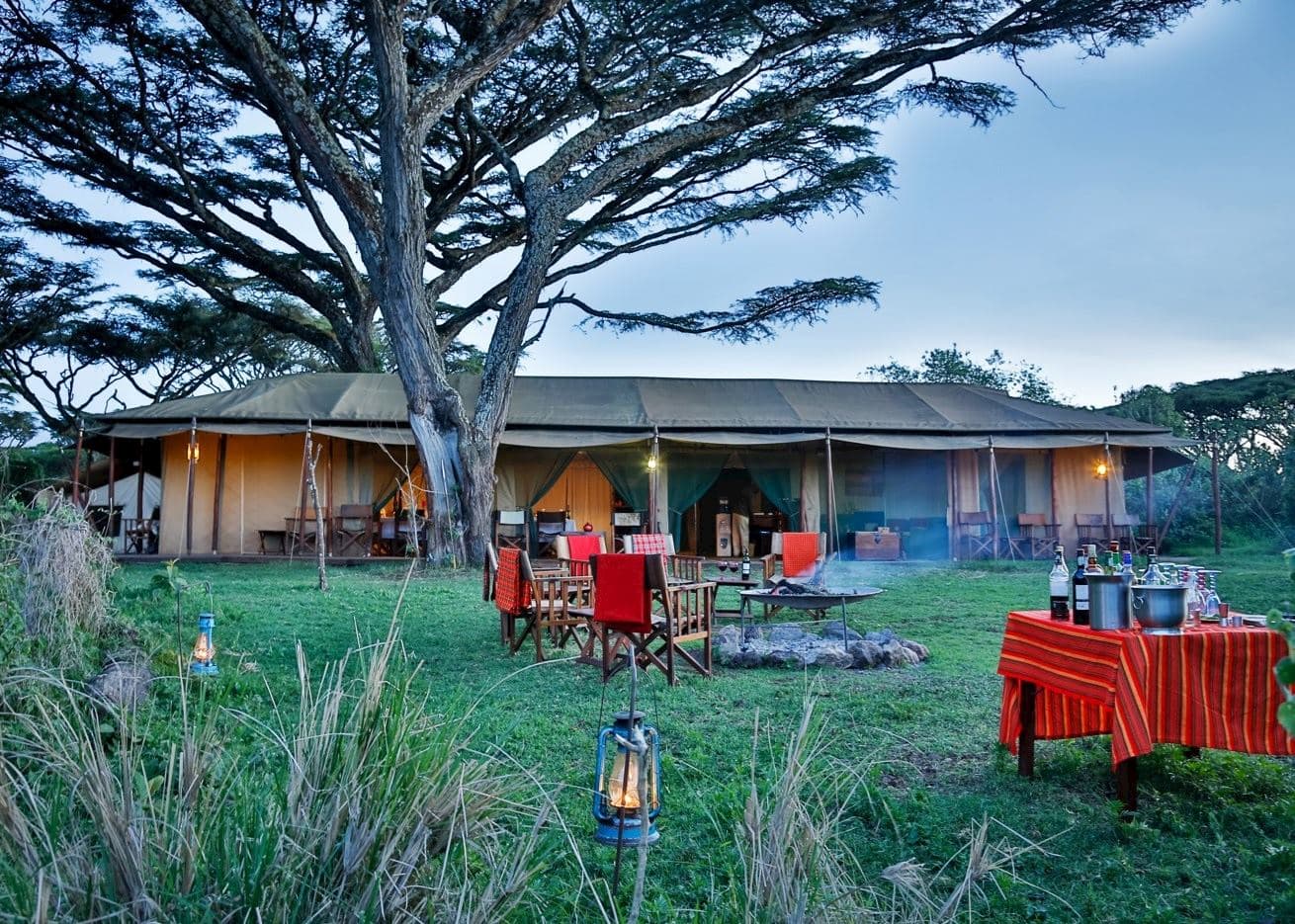
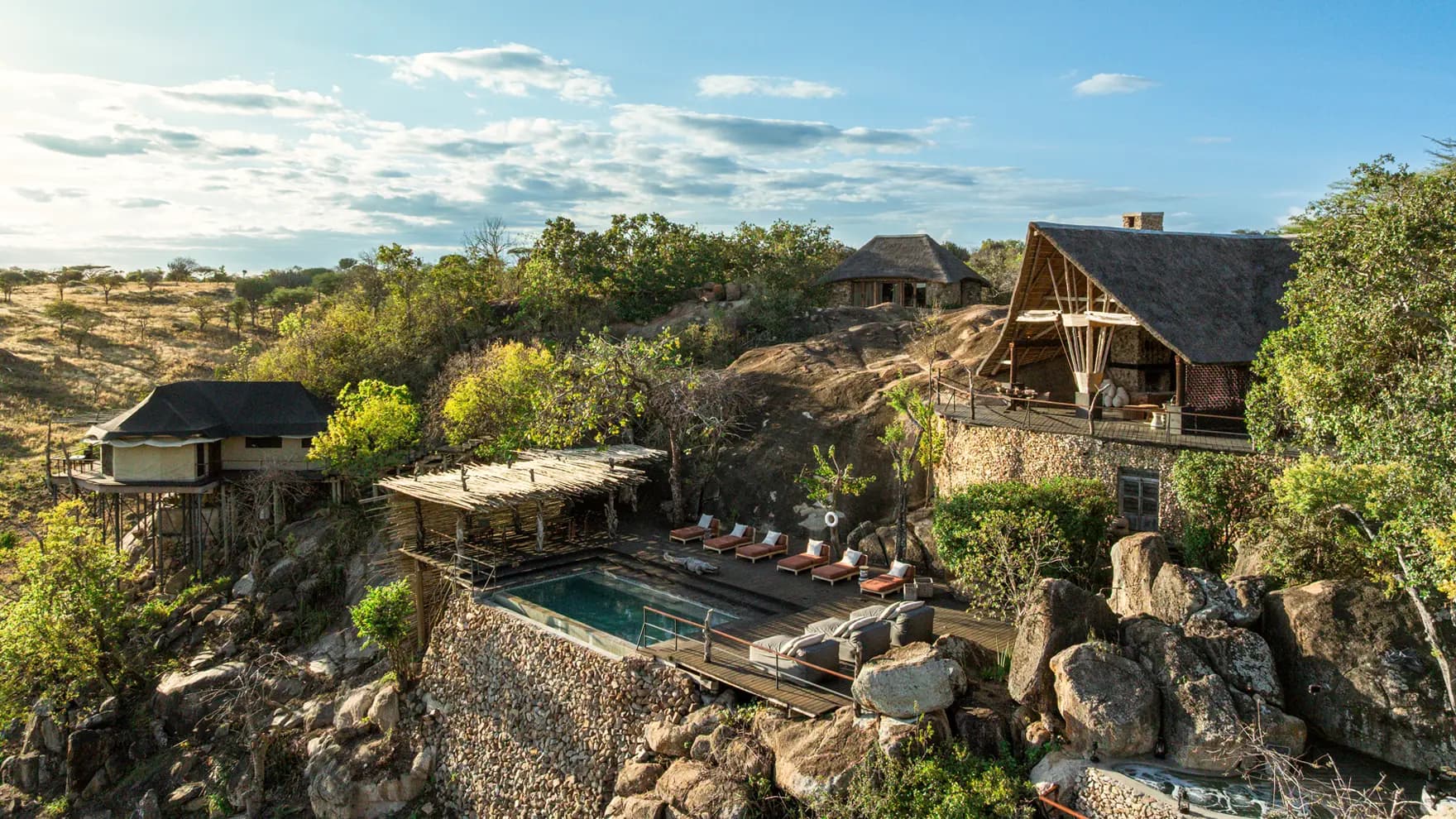
On the private Grumeti Reserves in the Western Corridor Serengeti, one of Africa's most exclusive wildlife concessions. Six riverside suites on the migration route with extraordinary predator and Migration access far from any other vehicles.

Luxury

andBeyond Ngorongoro Crater Lodge

Perched on the rim of the Ngorongoro Crater, the lodge delivers the most dramatic views in Tanzania from suites built to resemble Maasai kraals. Over the top interior design with uninterrupted views into the caldera.

Iconic

The Rock Restaurant Zanzibar

Built on a rock in the Indian Ocean off Michanwi Pingwe Beach, The Rock is one of Africa's most photographed restaurants. Reserve for lunch at high tide when you arrive by boat, an unmissable Zanzibar experience.

FAQs

Frequently Asked Questions

When is the best time to see the Great Migration?+

The Migration is year round, the herds never stop moving. Calving season (January to March) in the south delivers the most predator drama. River crossings (July to October) in the north deliver the most dramatic single wildlife events. Both are extraordinary, the right time depends on what you want to see.

Is Ngorongoro Crater worth visiting?+

Absolutely. The Ngorongoro Crater is one of Africa's great natural wonders and delivers the most reliable Big Five sightings anywhere on the continent. The black rhino population is one of the few accessible wild rhino encounters remaining. No Tanzania safari is complete without at least one full crater descent.

Should I combine Tanzania with Zanzibar?+

Yes, it is one of the world's great travel combinations. A 45 minute charter from any Serengeti airstrip lands you on Zanzibar. After 7 to 10 days of safari intensity, the transition to white sand, warm ocean and Swahili culture is extraordinary. We recommend a minimum of 3 nights in Zanzibar after a Tanzania safari.

How far in advance should I book Tanzania?+

For peak Serengeti season (August to September river crossings) and calving season (January to February), book 9 to 12 months ahead. The best small camps and migration following camps have very limited capacity. For other periods, 4 to 6 months is usually sufficient.

Is Tanzania safe for tourists?+

Tanzania's national parks and tourist regions are considered safe with excellent government security. Arusha, Zanzibar and Dar es Salaam require standard urban precautions. Tanzania has a stable political environment and a well established tourism infrastructure.

Can I combine Tanzania with Kenya?+

Yes, and this is one of East Africa's finest itineraries. The Serengeti and Masai Mara are the same ecosystem divided only by the border. Many visitors combine both on a single 14-day circuit, flying between Serengeti and Mara on a charter in under an hour.

Northern Tanzania vs the Southern Circuit?+

The northern circuit (Serengeti, Ngorongoro, Tarangire) is more accessible and visited. The southern circuit (Ruaha, Nyerere/Selous) delivers the same wildlife in virtual seclusion, no crowds, exclusive access, boat safaris on the Rufiji River. Serious safari goers typically prefer the south for a second Tanzania visit.

Signature Moments

What defines Tanzania

Hand-picked highlights, scroll to explore each in turn.

Tanzania
01

Serengeti year-round game

Tanzania
02

Ngorongoro Crater day

Tanzania
03

Tarangire elephants

Tanzania
04

Ruaha and Selous wilderness

Begin Your Journey

Your story starts
in East Africa.

Tell us your dates, your dream, and how you like to travel. We will design something extraordinary, only for you.