
Zanzibar Overview
Where safari meets the sea
Zanzibar is an archipelago of coral islands in the Indian Ocean, 25 kilometres off the coast of Tanzania. It operates as a complete travel world in miniature: Stone Town, a UNESCO World Heritage city of Arab merchant houses and carved wooden doorways; white-sand beaches lining every coast; reefs of extraordinary diversity; and an inland heart of spice plantations that gave the island its historical identity as the Spice Island.
Most guests arrive in Zanzibar as the final chapter of an East Africa safari, landing by light aircraft or scheduled flight from Dar es Salaam or Nairobi, checking into a stone-and-thatch beach lodge, and spending five to seven days in a fundamentally different register to the game drive intensity of the preceding weeks. The contrast is the point.
The main island of Unguja, always called Zanzibar, holds almost all the visitor experience. The north coast around Nungwi has the best all-tide swimming beaches. The east coast around Matemwe, Paje and Jambiani has the finest reef access and kitesurfing. Stone Town sits on the western tip of the island, a 30-minute transfer from the airport.
Beach Areas
Choosing Your Beach
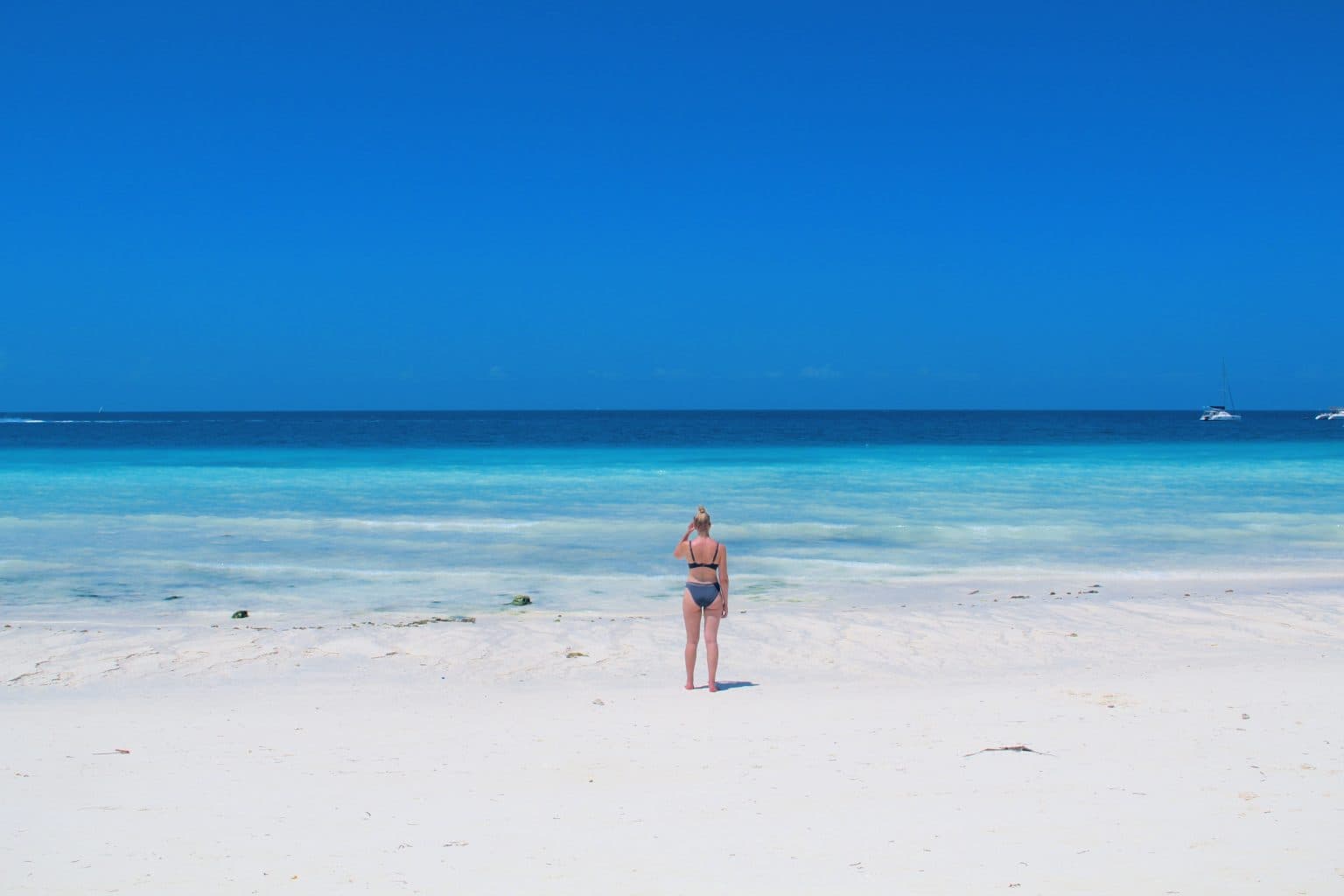
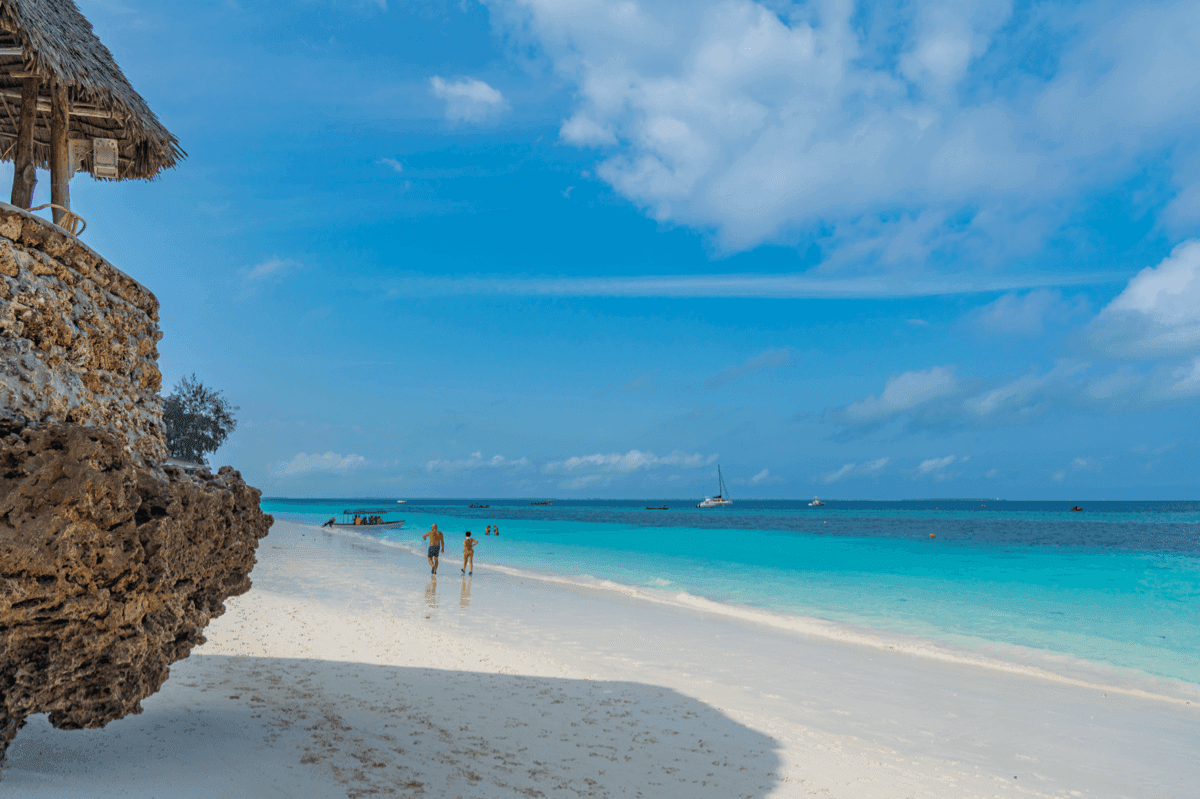
Nungwi, at Zanzibar's northern tip, is the island's most lively beach destination. The beach is wide, white and set against shallow turquoise water that remains swimmable at all tides, a significant advantage over the east coast beaches which expose sand and seagrass at low tide. Kendwa, a short distance west of Nungwi, has a legendary full-moon beach party that is one of the most well-attended events in the East Africa travel calendar. The lodges around Nungwi and Kendwa range from boutique to luxury, with some of Zanzibar's finest properties positioned directly on the beach. Sunsets from the north coast are among the finest in the Indian Ocean.
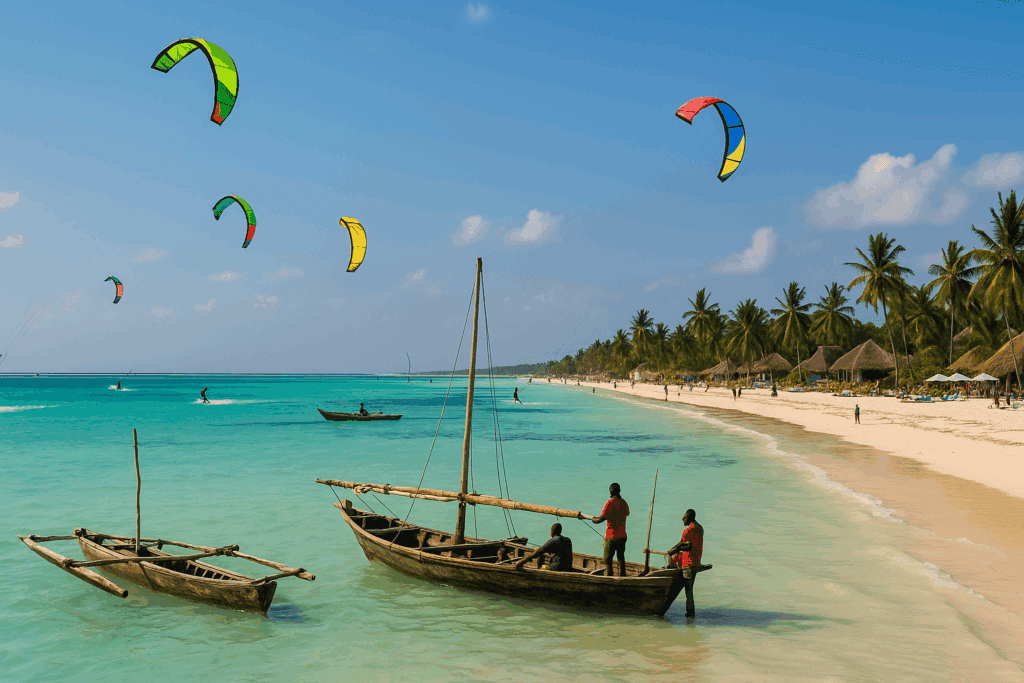
The east coast has a fundamentally different character from the north. The beach stretches for kilometres in both directions with almost no development visible from the water. The Matemwe reef is Zanzibar's finest house reef for snorkeling and dive access to the outer reef barrier. Paje is East Africa's premier kitesurfing destination, with a consistent south-easterly wind from June to October and several world-class kitesurfing schools. Jambiani is the quietest and most authentically local of the east coast villages, with a seaweed-farming community that has operated on this stretch of beach for generations. The east coast is the right choice for guests who want remoteness, spectacular reef access and the real Zanzibar rather than the commercialised north.
What To Do
Zanzibar Experiences
Stone Town
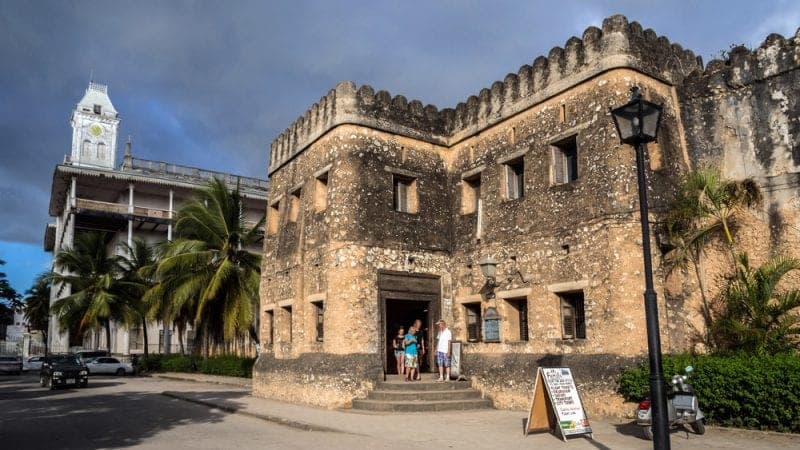
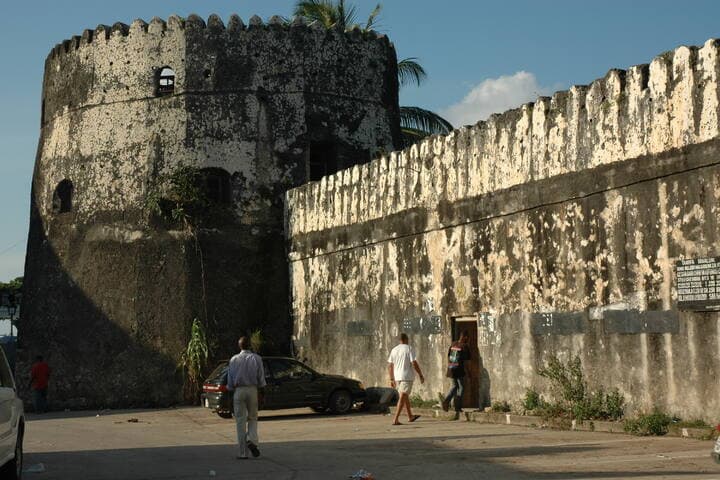
Stone Town is one of the finest historic urban centres in sub-Saharan Africa. The maze of narrow lanes, carved wooden doorways, Arab merchant houses, Hindu temples and the spice market converge in a living city that has been continuously inhabited since the 10th century. The island served as the main Arab slave trade hub of East Africa until abolition in 1873, and the history of that trade, its wealth, its brutality and its legacy, is visible throughout the old town. The Anglican Cathedral stands on the site of the last open slave market in the world. Stone Town's complexity rewards a full day of unhurried exploration with a knowledgeable guide.
Spice Tours
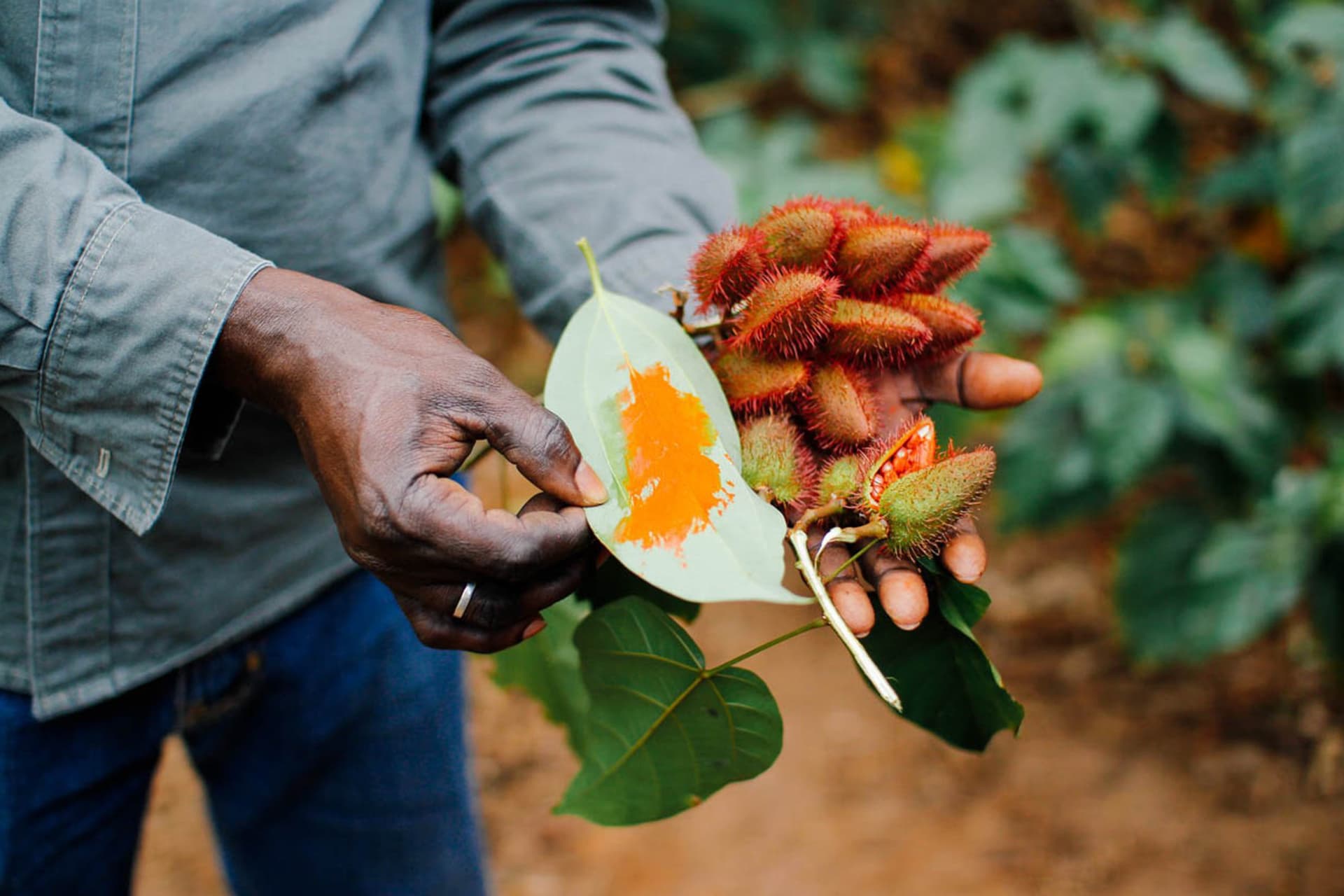
Zanzibar's spice trade defined the Indian Ocean economy for five centuries. Cloves, nutmeg, cinnamon, black pepper, vanilla and cardamom are still grown across the island's interior. A half-day spice tour takes you through working spice plantations where you identify plants from their scent, learn their culinary and medicinal uses, and eat a traditional lunch made entirely from island-grown ingredients. The spice tour is among the most frequently recommended half-day activities in East Africa by guests who have done it and is an ideal complement to a beach day. We arrange private spice tour guides as standard.
Snorkeling and Scuba Diving
Zanzibar's reefs contain over 500 species of fish and 50 species of hard coral. Mnemba Atoll, a private island north of the main island, has the finest and most accessible reef in the archipelago and is reachable by boat from the Matemwe and Nungwi areas in 20 to 40 minutes. Green and hawksbill turtles are resident year-round. Humpback whales pass through from July to September. The whale shark season runs from October to February. PADI dive courses are available at most beach properties. For non-divers, the snorkeling above the inner reef fringing the east coast is among the best in the Indian Ocean.
Swimming with Dolphins
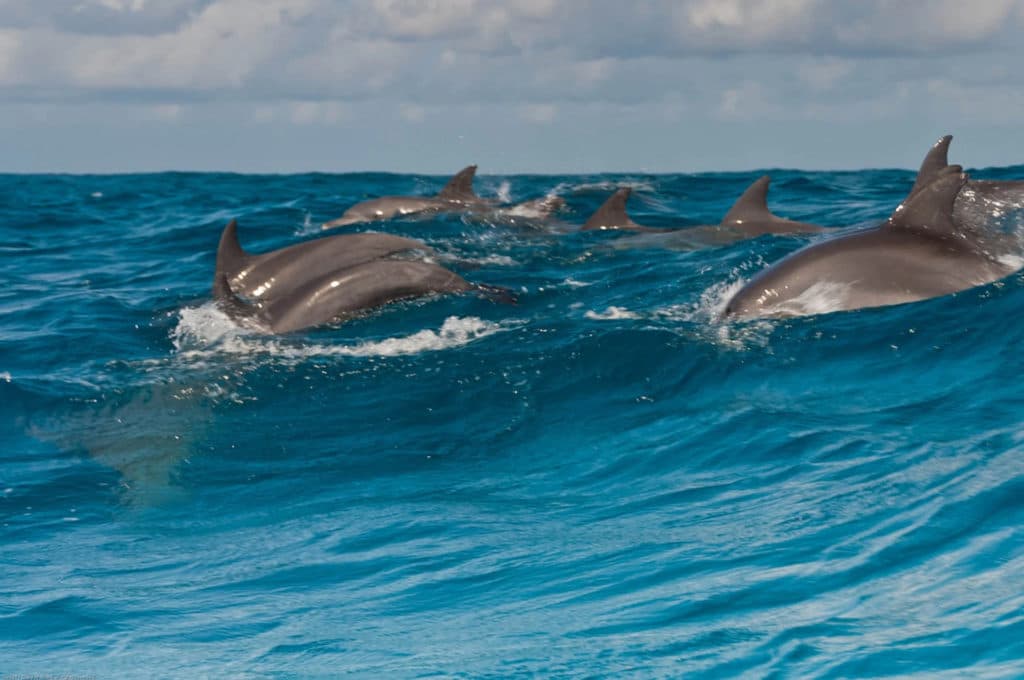
Two resident pods of spinner dolphins and one of bottlenose dolphins inhabit Zanzibar's southern waters year-round. The Kizimkazi dolphin tour, departing from a traditional dhow village on the south coast, has a success rate above 90 per cent. The experience is a boat search followed by entering the water when dolphins are located, not a captive or fed encounter, but a wild encounter in open ocean with genuinely wild animals. The spinner dolphins are particularly interactive. This is one of the few places in the world where wild dolphins reliably approach snorkelers out of curiosity rather than being attracted by fish.
Sunset Dhow Cruise
The traditional wooden dhow, powered by the south-easterly monsoon and crewed by Zanzibar fishermen whose fathers and grandfathers sailed the same routes, offers one of the most atmospheric sunset experiences in East Africa. A private evening dhow cruise typically departs two hours before sunset, sails to a reef position for snorkeling, and then anchors offshore as the sun drops behind the Africa mainland on the western horizon. Drinks and fresh seafood are served on deck. As the light fades, Stone Town's lights come on across the water. It is the definitive Zanzibar evening.
Gallery

Expert Advice
Zanzibar Tips
June to October is Best
The southeast monsoon (kaskazi season) runs from June through October and delivers Zanzibar at its most reliable: minimal rain, consistent sunshine, lower humidity and the best snorkeling visibility. This period also coincides with the East Africa high season, so advance booking is essential. The shoulder months of May and November offer excellent value and lower visitor numbers. Avoid April which is the peak of the long rains.
East vs North Coast
Choose your beach based on your priorities. North coast (Nungwi/Kendwa) for swimmable beaches at all tides, nightlife and sunset views. East coast (Matemwe/Paje/Jambiani) for remoteness, reef access, kitesurfing and a quieter atmosphere. Many guests split their Zanzibar stay across both coasts, spending two nights in Stone Town on arrival and then three to four nights on the beach.
Do the Spice Tour Early
The spice tour works best in the morning before the heat peaks and is best done on the first or second day of your Zanzibar stay. A private guide makes a significant difference: rather than following a group through a plantation on a fixed route, a private tour moves at your pace and spends time on the plants, history and culinary context that interest you specifically. We arrange private spice tours as standard.
Allocate a Stone Town Day
Stone Town genuinely requires a full day to see properly. The Slave Market Memorial and Anglican Cathedral, the House of Wonders, the Old Fort, the Persian Baths of Hamamni, the spice market and the Forodhani Gardens night market at sunset and in the evening collectively represent a half-day minimum even at pace. A full day with a knowledgeable guide who can interpret the historical layers is the right allocation. Plan Stone Town as a dedicated day rather than a hurried morning.
Best Light on the East Coast
The east coast faces the open Indian Ocean to the east and receives the most dramatic morning light on the archipelago. Sunrise over the reef from a beach property at Matemwe or Jambiani is extraordinary. The north coast has the best sunset light as the sun drops toward the African continent. If photography is a priority, tell us and we will position you accordingly.
Allow 5 Nights Minimum
Five nights is the minimum to do Zanzibar properly as a post-safari extension: one day in Stone Town, one day for the spice tour and a morning dolphin trip, and three beach days. Six or seven nights allows for a day trip to Pemba Island, a full day on the Mnemba reef or a fishing charter. Guests who allow fewer than four nights consistently say on return that they wished they had stayed longer.
FAQ
Frequently Asked Questions
Continue Exploring
Related Experiences



Plan Your Stay
End Your Safari in Paradise
Tell us your travel dates and preferred beach area. We will design the right Zanzibar extension for the end of your East Africa journey.